
Table of Contents
- Introduction to HDB Tile Hacking in Singapore
- What Is HDB Tile Hacking?
- Why Do HDB Homeowners Need Tile Hacking?
- Tile Hacking vs Tile Overlay: Which Is Better?
- Common Areas That Require Tile Hacking
- HDB Tile Hacking Process in Singapore
- Estimated HDB Tile Hacking Cost in Singapore
- Factors That Affect Tile Hacking Cost
- HDB Renovation Rules and Considerations
- How Long Does Tile Hacking Take?
- Preparing Your HDB Home Before Tile Hacking
- Common Problems During Tile Hacking
- How to Choose a Tile Hacking Contractor in Singapore
- Conclusion
Introduction to HDB Tile Hacking in Singapore
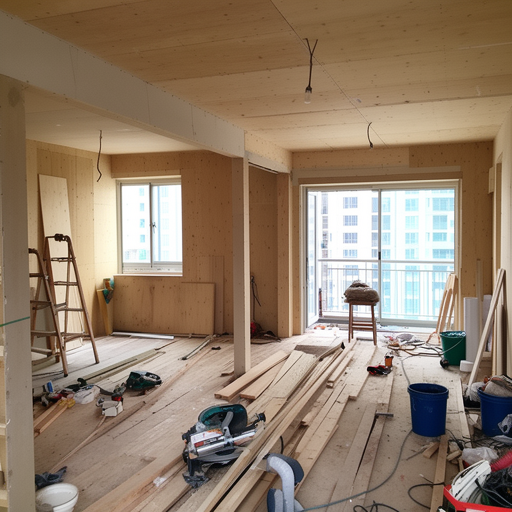
Renovating an HDB flat often involves upgrading old flooring, improving the appearance of living spaces, or replacing damaged surfaces. One of the most common renovation processes homeowners consider is HDB tile hacking Singapore.
Over time, existing tiles may become:
- Outdated
- Cracked
- Loose
- Difficult to maintain
- Unsuitable for a new interior design
While some homeowners choose to install new tiles over existing ones, many renovation projects require proper tile hacking to remove the old surface completely.
Tile hacking involves carefully removing existing tiles and preparing the base for new flooring or wall finishes. Since HDB homes share common building structures, tile hacking must be planned properly to avoid unnecessary damage, excessive noise, or renovation delays.
This guide explains everything homeowners need to know about HDB tile hacking, including the process, cost factors, preparation steps, and important renovation considerations.
What Is HDB Tile Hacking?
HDB tile hacking is the process of removing existing tiles from floors or walls in an HDB flat.
The work usually involves breaking and removing:
- Floor tiles
- Wall tiles
- Tile adhesive
- Cement screed
- Old surface layers
Professional contractors use specialised equipment such as:
- Electric breakers
- Demolition hammers
- Tile removal tools
- Scraping equipment
The purpose of hacking is to create a clean and suitable surface for new renovation works.
After hacking is completed, contractors can proceed with:
- New tile installation
- Waterproofing
- Flooring replacement
- Surface preparation
A proper hacking process ensures the new flooring has a stronger foundation and better long-term durability.
Why Do HDB Homeowners Need Tile Hacking?
There are several reasons why HDB owners choose tile hacking during renovation.
1. Replacing Old Flooring
Many older HDB flats have flooring that may no longer match modern renovation styles.
Homeowners may want to replace old tiles with:
- Modern porcelain tiles
- Homogeneous tiles
- Wood-look tiles
- Other flooring materials
Removing the old tiles allows contractors to install new flooring properly.
2. Repairing Damaged Tiles
Tiles may develop problems after years of use.
Common issues include:
- Cracks
- Hollow tiles
- Loose tiles
- Uneven surfaces
If only a small area is damaged, repairs may be possible.
However, when many tiles are affected, hacking and replacement may be a better long-term solution.
3. Improving Floor Quality
Old flooring may have issues such as:
- Uneven levels
- Damaged screed
- Poor surface condition
Tile hacking allows contractors to inspect the underlying surface and correct problems before installing new flooring.
4. Changing Home Design
Many homeowners renovate their HDB flats to create a new style.
Examples include:
- Minimalist interiors
- Modern designs
- Open-concept layouts
New flooring often plays an important role in transforming the appearance of a home.
Tile Hacking vs Tile Overlay: Which Is Better?
A common question among HDB homeowners is whether to hack existing tiles or install new tiles over them.
Both options have advantages.
Tile Hacking
Tile hacking involves removing the existing tiles completely.
Advantages
Better Surface Preparation
Removing old tiles allows contractors to check the base condition.
Problems such as:
- Cracks
- Uneven surfaces
- Damaged screed
can be identified and repaired.
More Flooring Choices
A clean surface allows more flexibility when choosing new flooring.
Better Long-Term Results
A properly prepared base can improve durability and reduce future problems.
Disadvantages
Tile hacking creates:
- Noise
- Dust
- Debris
It also takes more time compared with overlay methods.
Tile Overlay
Tile overlay involves placing new tiles on top of existing tiles.
Advantages
- Less demolition work
- Faster installation
- Less debris
Disadvantages
Overlay may not be suitable if existing tiles have:
- Movement
- Hollow areas
- Uneven surfaces
- Water issues
Adding another layer may also increase floor height.
Common Areas That Require Tile Hacking
Living Room
Living room tile hacking is commonly done when homeowners want to replace old flooring.
Reasons include:
- Updating interior design
- Fixing damaged tiles
- Changing flooring materials
Kitchen
Kitchen floors experience:
- Heavy usage
- Food spills
- Frequent cleaning
Tile hacking may be required before installing new kitchen flooring.
Bathroom
Bathrooms often require hacking because they involve:
- Wet conditions
- Waterproofing
- Plumbing works
Contractors may remove:
- Floor tiles
- Wall tiles
- Old screed
before applying new waterproofing.
Balcony
Balcony areas may need hacking due to:
- Weather exposure
- Water problems
- Surface damage
Proper replacement helps improve durability.
HDB Tile Hacking Process in Singapore
A professional tile hacking project usually follows several steps.
Step 1: Site Inspection
Before starting work, contractors inspect:
- Existing tiles
- Surface condition
- Renovation requirements
This determines the correct hacking approach.
Step 2: Protect the Home
The work area is prepared by covering:
- Furniture
- Doors
- Nearby surfaces
Protection helps reduce damage from dust and debris.
Step 3: Remove Existing Tiles
Workers carefully remove tiles using suitable equipment.
The goal is to remove the tile layer without unnecessarily damaging the base.
Step 4: Remove Old Materials
After tiles are removed, contractors may clear:
- Adhesive
- Screed
- Damaged layers
Step 5: Debris Removal
Broken tiles and construction waste are collected and removed.
Proper disposal keeps the renovation area safe.
Step 6: Surface Preparation
Before new flooring installation, the surface may require:
- Cleaning
- Levelling
- Repairs
A properly prepared base improves the final result.
Estimated HDB Tile Hacking Cost in Singapore
The cost of HDB tile hacking depends on several factors.
There is no fixed price because every renovation project differs.
Factors affecting cost include:
- Area size
- Tile type
- Amount of material removed
- Labour requirements
- Waste disposal
A small bathroom hacking project will usually differ from hacking the entire HDB flooring.
Homeowners should request a detailed quotation before starting work.
Factors That Affect Tile Hacking Cost
Size of Area
Larger areas require:
- More workers
- More equipment
- More disposal work
Tile Material
Different tiles have different removal difficulty.
Examples:
- Ceramic tiles
- Porcelain tiles
- Homogeneous tiles
Harder materials may require more effort.
Thickness of Layers
Some floors contain multiple layers, including:
- Tiles
- Adhesive
- Screed
More layers increase labour time.
Accessibility
HDB flats may have limitations such as:
- Lift access
- Corridor space
- Working hours
These factors may affect project planning.
HDB Renovation Rules and Considerations
Before starting tile hacking works, homeowners should consider HDB renovation requirements.
Important points include:
- Renovation timing restrictions
- Noise considerations
- Proper work procedures
Certain structural elements must not be affected during renovation.
Professional contractors understand how to carry out hacking works while following necessary guidelines.
How Long Does Tile Hacking Take?
The duration depends on:
- Size of area
- Tile type
- Work complexity
A small area may take less time, while a full HDB renovation requires more planning.
Possible delays may happen due to:
- Difficult tile removal
- Additional repairs
- Unexpected surface conditions
Proper scheduling helps keep renovation works on track.
Preparing Your HDB Home Before Tile Hacking
Remove Furniture and Belongings
Clear items from affected areas, including:
- Furniture
- Decorations
- Personal items
Protect Remaining Items
Cover items that cannot be removed.
Dust from hacking can spread throughout the home.
Plan Alternative Arrangements
During hacking works, expect:
- Noise
- Dust
- Limited access
Some homeowners choose to temporarily stay elsewhere during major renovation periods.
Confirm Work Details
Before work begins, confirm:
- Hacking areas
- Project timeline
- Cleanup process
Common Problems During Tile Hacking
Excessive Dust
Tile hacking naturally creates dust.
Proper protection and cleaning procedures help reduce the impact.
Damaged Underlying Surface
Sometimes contractors discover:
- Cracks
- Uneven screed
- Surface damage
Additional repair may be required before installing new flooring.
Unexpected Cost Increase
Extra work may happen when hidden problems are found.
A clear quotation helps homeowners prepare.
How to Choose a Tile Hacking Contractor in Singapore
Choosing an experienced contractor is important.
Experience With HDB Projects
Look for contractors familiar with:
- HDB renovation works
- Tile removal
- Flooring preparation
Proper Equipment
Good equipment improves:
- Safety
- Efficiency
- Accuracy
Clear Quotation
A good quotation should explain:
- Hacking scope
- Labour cost
- Disposal arrangements
- Timeline
Good Communication
Reliable contractors should explain:
- Work process
- Possible issues
- Expected completion time
Conclusion
HDB tile hacking is an important part of many renovation projects in Singapore. Whether you are replacing old flooring, repairing damaged tiles, or upgrading your home’s appearance, proper tile removal creates a stronger foundation for new finishes.
Choosing a professional HDB tile hacking Singapore service helps ensure the work is completed safely, efficiently, and with fewer renovation problems.
With proper planning, homeowners can achieve a more durable, attractive, and comfortable living space.