
Table of Contents
- Introduction to Selective Demolition in Singapore
- What Are Selective Demolition Works?
- Selective Demolition vs Full Demolition
- Why Selective Demolition Is Used in Renovation Projects
- Common Applications in Singapore Homes and Commercial Spaces
- Types of Selective Demolition Works
- Step-by-Step Selective Demolition Process
- Estimated Cost of Selective Demolition in Singapore
- Factors That Affect Demolition Costs
- Safety Considerations in Selective Demolition
- HDB and Condo Rules for Selective Demolition
- How Long Selective Demolition Takes
- Preparing Your Property Before Demolition Works
- How to Choose a Selective Demolition Contractor in Singapore
- Conclusion
Introduction to Selective Demolition in Singapore
Selective demolition or hacking is becoming increasingly common in Singapore’s renovation and construction industry. Unlike full demolition, which involves tearing down an entire structure, selective demolition focuses only on removing specific parts of a building while preserving the rest.
In many renovation projects, especially in HDB flats, condominiums, and commercial spaces, homeowners and business owners want to upgrade or redesign their spaces without rebuilding everything from scratch. This is where selective demolition Singapore services play an important role.
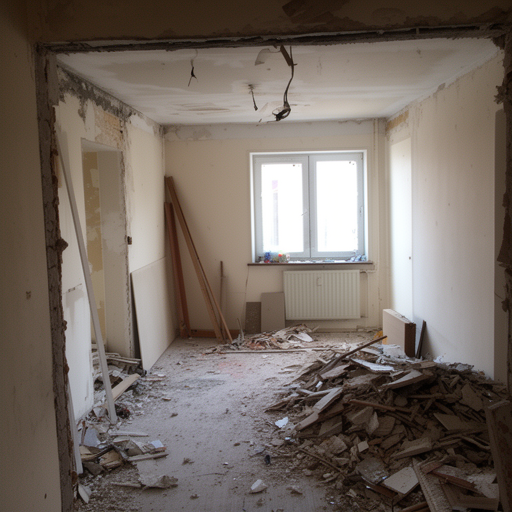
Selective demolition allows contractors to carefully remove targeted elements such as walls, flooring, ceilings, or fixtures while ensuring surrounding structures remain intact. This makes it a more controlled, efficient, and cost-effective approach compared to full demolition.
This guide explains everything you need to know about selective demolition, including its uses, process, cost factors, safety requirements, and how to choose the right contractor in Singapore.
What Are Selective Demolition Works?
Selective demolition refers to the careful removal of specific parts of a structure without affecting the entire building.
It involves dismantling:
- Non-structural walls
- Flooring materials
- Ceiling structures
- Built-in fittings
- Selected concrete sections
- Old fixtures and finishes
The goal is to preserve the main structural framework while removing only what is necessary for renovation or redesign.
Professional contractors use a combination of:
- Hand tools
- Power tools
- Cutting equipment
- Controlled breaking methods
This ensures precision and reduces damage to surrounding areas.
Selective Demolition vs Full Demolition
Understanding the difference between selective demolition and full demolition is important for planning renovation works.
Selective Demolition
- Removes only specific parts
- Preserves main structure
- Used in renovations
- More controlled and precise
- Lower waste generation
Example: Removing a kitchen wall to create an open-concept layout.
Full Demolition
- Entire structure is demolished
- Used for rebuilding projects
- Requires more permits and planning
- Produces large amounts of waste
Example: Demolishing an entire old building for redevelopment.
Key Difference
Selective demolition is targeted and controlled, while full demolition is complete removal of structures.
Why Selective Demolition Is Used in Renovation Projects
1. Home Renovation and Upgrading
Many homeowners use selective demolition to:
- Open up spaces
- Remove outdated structures
- Redesign layouts
2. Cost Efficiency
Compared to full demolition, selective demolition reduces:
- Labour costs
- Waste disposal costs
- Project duration
3. Minimal Disruption
Since only part of the structure is removed, it causes:
- Less noise
- Less dust
- Less disruption to surrounding areas
4. Structural Preservation
Selective demolition ensures that important structural elements remain untouched and safe.
Common Applications in Singapore Homes and Commercial Spaces
Residential Applications
In HDB flats and condos, selective demolition is commonly used for:
- Kitchen wall removal
- Bathroom upgrades
- Flooring replacement
- Built-in cabinet removal
Commercial Applications
Businesses use selective demolition for:
- Office layout changes
- Retail shop renovations
- Restaurant redesigns
Infrastructure Works
It is also used for:
- Utility upgrades
- Pipe replacement access
- Electrical system improvements
Types of Selective Demolition Works
1. Interior Wall Removal
Used to create open spaces or redesign layouts.
2. Flooring Demolition
Involves removing tiles, screed, or other flooring materials.
3. Ceiling Removal
Used when upgrading lighting systems or HVAC installations.
4. Fixture and Fitting Removal
Includes dismantling:
- Cabinets
- Sinks
- Built-in furniture
5. Concrete Section Removal
Used for targeted structural modifications where approved.
Step-by-Step Selective Demolition Process
Step 1: Site Assessment
Contractors evaluate:
- Structural layout
- Materials involved
- Safety considerations
Step 2: Planning and Marking
Areas to be removed are clearly marked to avoid mistakes.
Step 3: Protection of Surrounding Areas
Nearby structures are protected using coverings and barriers.
Step 4: Controlled Demolition Work
Workers carefully remove selected elements using appropriate tools.
Step 5: Debris Removal
All waste materials are collected and disposed of properly.
Step 6: Site Cleaning and Preparation
The area is cleaned and prepared for the next stage of renovation.
Estimated Cost of Selective Demolition in Singapore
The cost of selective demolition depends on:
- Size of area
- Type of materials removed
- Complexity of work
- Labour requirements
- Waste disposal needs
More complex projects involving structural elements will typically cost more than simple fixture removal.
Factors That Affect Demolition Costs
1. Material Type
Hard materials like concrete require more effort compared to wood or drywall.
2. Project Size
Larger demolition areas require:
- More manpower
- More time
- More equipment
3. Accessibility
Difficult access areas may increase labour complexity.
4. Safety Requirements
Higher-risk projects require additional safety measures and planning.
Safety Considerations in Selective Demolition
Structural Safety
Only approved sections should be removed to ensure building stability.
Dust and Noise Control
Proper tools and methods help reduce:
- Dust spread
- Noise levels
Worker Protection
Workers use:
- Helmets
- Gloves
- Safety boots
- Protective eyewear
Site Management
Proper site control prevents accidents and damage to surrounding areas.
HDB and Condo Rules for Selective Demolition
In Singapore residential properties, selective demolition must follow strict guidelines.
Important considerations include:
- Approval for structural changes
- Renovation timing restrictions
- Noise control rules
- Proper contractor licensing
Unauthorized demolition may lead to penalties or renovation delays.
How Long Selective Demolition Takes
The duration depends on:
- Size of project
- Type of materials
- Complexity of design
Small-scale demolition may take a short time, while larger renovation projects require more planning and execution.
Preparing Your Property Before Demolition Works
Clear the Area
Remove furniture and personal belongings from affected zones.
Protect Adjacent Spaces
Cover nearby rooms to reduce dust spread.
Inform Neighbours
Since demolition involves noise, informing neighbours helps reduce inconvenience.
Plan Renovation Timeline
Coordinate demolition with other renovation works such as plumbing and electrical installation.
How to Choose a Selective Demolition Contractor in Singapore
Experience Matters
Choose contractors experienced in:
- Residential demolition
- Commercial renovation
- Controlled removal works
Proper Equipment
Professional tools ensure:
- Safer execution
- Cleaner results
- Faster completion
Transparent Quotation
A good quotation should include:
- Scope of work
- Labour cost
- Disposal fees
- Timeline
Good Communication
Reliable contractors should explain:
- Process steps
- Safety measures
- Possible risks
Conclusion
Selective demolition is an important part of modern renovation projects in Singapore. It allows homeowners and businesses to upgrade their spaces without completely rebuilding structures.
Compared to full demolition, it is more precise, cost-efficient, and less disruptive, making it ideal for HDB flats, condos, and commercial properties.
Choosing a professional selective demolition Singapore contractor ensures that the work is carried out safely, efficiently, and in compliance with local regulations.
With proper planning and execution, selective demolition can help transform spaces while preserving structural integrity and reducing unnecessary renovation costs.