
Table of Contents
- Introduction to Tile Lifespan in Singapore
- Average Lifespan of Different Tile Types
- What Affects Tile Lifespan in Singapore Homes
- Lifespan of Ceramic Tiles
- Lifespan of Porcelain Tiles
- Lifespan of Homogeneous Tiles
- Lifespan of Natural Stone Tiles
- Lifespan of Mosaic and Decorative Tiles
- Signs Your Tiles Are Wearing Out
- Common Causes of Early Tile Damage
- How to Extend the Lifespan of Your Tiles
- Tile Repair vs Replacement: What to Consider
- Best Tile Choices for Long-Term Durability
- Conclusion
Introduction to Tile Lifespan in Singapore
Tiles are one of the most commonly used flooring and wall materials in Singapore homes due to their durability, ease of maintenance, and wide design options. They are installed in:
- HDB flats
- Condominiums
- Landed properties
- Commercial spaces
However, many homeowners still ask an important question: how long do tiles last in Singapore homes?
The answer depends on several factors such as tile material, installation quality, maintenance habits, and environmental conditions.
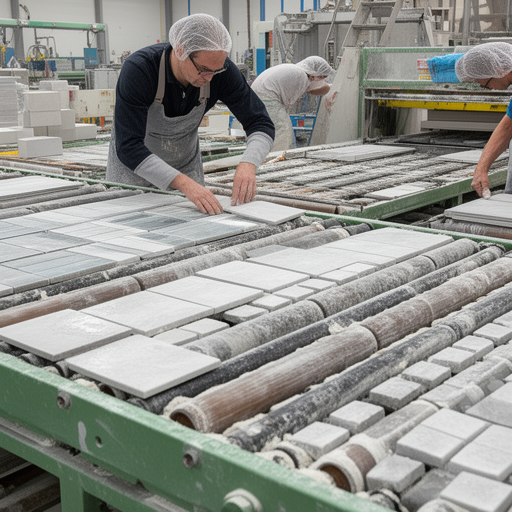
In Singapore’s hot and humid climate, tiles are constantly exposed to moisture, temperature changes, and daily wear. While tiles are generally long-lasting, poor installation or maintenance can significantly shorten their lifespan.
This guide explains the typical tile lifespan in Singapore, what affects durability, and how homeowners can extend the life of their flooring. Consult a tiling contractor near you if professional help is needed.
Average Lifespan of Different Tile Types
Different tiles have different durability levels. On average, most tiles in Singapore homes last between 10 to 30+ years, depending on material and care.
What Affects Tile Lifespan in Singapore Homes
1. Installation Quality
Poor installation is one of the biggest causes of early tile failure.
Issues include:
- Uneven base
- Weak adhesive bonding
- Hollow gaps under tiles
2. Type of Tile Material
Some materials are naturally more durable than others.
3. Daily Usage
High-traffic areas like living rooms wear out faster than bedrooms.
4. Moisture and Humidity
Singapore’s humid climate can affect:
- Grout condition
- Adhesive strength
- Water seepage risks
5. Maintenance Habits
Regular cleaning helps extend tile lifespan significantly.
Lifespan of Ceramic Tiles
Ceramic tiles are commonly used in Singapore homes due to affordability and design variety.
Average Lifespan
10 to 20 years
Characteristics
- Moderate durability
- Suitable for light to medium traffic areas
- Easier to replace
Factors Affecting Longevity
Ceramic tiles may wear out faster in:
- Wet areas
- High-traffic zones
- Poorly maintained spaces
Lifespan of Porcelain Tiles
Porcelain tiles are one of the most popular premium choices in Singapore.
Average Lifespan
20 to 30+ years
Characteristics
- High density and strength
- Low water absorption
- Suitable for all home areas
Why They Last Longer
Porcelain tiles are fired at higher temperatures, making them:
- More resistant to cracks
- Less porous
- More durable overall
Lifespan of Homogeneous Tiles
Homogeneous tiles are widely used in HDB flats and commercial spaces.
Average Lifespan
20 to 30 years
Characteristics
- Full-body tile material
- High resistance to wear
- Consistent colour throughout
Benefits
Even when slightly worn, they maintain appearance better than surface-coated tiles.
Lifespan of Natural Stone Tiles
Natural stone includes materials like:
- Marble
- Granite
- Limestone
Average Lifespan
20 to 50 years (with proper maintenance)
Characteristics
- Very durable
- Premium appearance
- Requires maintenance
Important Note
Without proper sealing and care, natural stone may stain or degrade faster.
Lifespan of Mosaic and Decorative Tiles
Mosaic tiles are commonly used for feature walls and decorative areas.
Average Lifespan
10 to 20 years
Characteristics
- Small tile pieces with many grout lines
- High design flexibility
- More maintenance required
Weak Point
Grout lines tend to wear out faster than the tiles themselves.
Signs Your Tiles Are Wearing Out
1. Cracks on Tile Surface
Cracks may indicate:
- Structural movement
- Heavy impact
- Poor installation
2. Hollow Sounds
A hollow sound when tapping indicates:
- Empty spaces under tiles
- Weak bonding
3. Loose Tiles
Tiles that move slightly under pressure may indicate adhesive failure.
4. Discoloured Grout
Stains or dark grout lines suggest moisture or dirt buildup.
5. Uneven Flooring
Uneven tiles may indicate:
- Base shifting
- Installation issues
Common Causes of Early Tile Damage
1. Poor Installation Workmanship
Incorrect installation is the most common reason tiles fail early.
2. Water Seepage
Water can weaken adhesive layers over time.
3. Heavy Impact
Dropping heavy items can crack tiles instantly.
4. Lack of Maintenance
Dirt and moisture buildup can slowly damage grout and surface finish.
5. Building Movement
Natural structural shifts may affect tile alignment over time.
How to Extend the Lifespan of Your Tiles
1. Choose Quality Installation
Good workmanship ensures:
- Proper adhesion
- Even surface leveling
- Long-term durability
2. Clean Regularly
Use mild cleaning solutions to prevent damage.
3. Fix Small Issues Early
Repair:
- Loose tiles
- Small cracks
- Grout damage
before they worsen.
4. Avoid Harsh Chemicals
Strong cleaners can damage:
- Tile surfaces
- Grout lines
5. Control Moisture Levels
Keep wet areas well-ventilated to reduce long-term damage.
Tile Repair vs Replacement: What to Consider
When Repair Is Enough
- Minor cracks
- Small grout issues
- Localised damage
When Replacement Is Needed
- Widespread hollow tiles
- Multiple cracks
- Severe water damage
- Uneven flooring
Replacement is usually better for long-term durability.
Best Tile Choices for Long-Term Durability
If longevity is your priority, consider:
1. Porcelain Tiles
- Highly durable
- Low maintenance
- Long lifespan
2. Homogeneous Tiles
- Strong and wear-resistant
- Ideal for high-traffic areas
3. Natural Stone (With Maintenance)
- Long lifespan
- Premium look
- Requires sealing and care
Conclusion
The lifespan of tiles in Singapore homes generally ranges from 10 to over 30 years, depending on material quality, installation, and maintenance.
While ceramic tiles offer affordability, porcelain and homogeneous tiles provide better long-term durability. Natural stone can last even longer but requires proper upkeep.
Understanding how long tiles last in Singapore helps homeowners make smarter renovation decisions, reduce repair costs, and choose materials that fit both lifestyle and budget.
With proper installation and maintenance, tiles can remain strong, safe, and visually appealing for decades.