• Skip to primary navigation
  • Skip to main content
  • COMPANY PROFILE
  • HACKING AND DEMOLITION
  • TILING AND MASONRY
  • BLOG
placeholder-661-1.png

Tiling

How Long Do Tiles Last in Singapore Homes? (2026 Guide to Tile Lifespan)

August 24, 2026 by admin

Table of Contents

  1. Introduction to Tile Lifespan in Singapore
  2. Average Lifespan of Different Tile Types
  3. What Affects Tile Lifespan in Singapore Homes
  4. Lifespan of Ceramic Tiles
  5. Lifespan of Porcelain Tiles
  6. Lifespan of Homogeneous Tiles
  7. Lifespan of Natural Stone Tiles
  8. Lifespan of Mosaic and Decorative Tiles
  9. Signs Your Tiles Are Wearing Out
  10. Common Causes of Early Tile Damage
  11. How to Extend the Lifespan of Your Tiles
  12. Tile Repair vs Replacement: What to Consider
  13. Best Tile Choices for Long-Term Durability
  14. Conclusion

Introduction to Tile Lifespan in Singapore

Tiles are one of the most commonly used flooring and wall materials in Singapore homes due to their durability, ease of maintenance, and wide design options. They are installed in:

  • HDB flats
  • Condominiums
  • Landed properties
  • Commercial spaces

However, many homeowners still ask an important question: how long do tiles last in Singapore homes?

The answer depends on several factors such as tile material, installation quality, maintenance habits, and environmental conditions.

How Long Do Tiles Last in Singapore Homes? (2026 Guide to Tile Lifespan)

In Singapore’s hot and humid climate, tiles are constantly exposed to moisture, temperature changes, and daily wear. While tiles are generally long-lasting, poor installation or maintenance can significantly shorten their lifespan.

This guide explains the typical tile lifespan in Singapore, what affects durability, and how homeowners can extend the life of their flooring. Consult a tiling contractor near you if professional help is needed.


Average Lifespan of Different Tile Types

Different tiles have different durability levels. On average, most tiles in Singapore homes last between 10 to 30+ years, depending on material and care.


What Affects Tile Lifespan in Singapore Homes

1. Installation Quality

Poor installation is one of the biggest causes of early tile failure.

Issues include:

  • Uneven base
  • Weak adhesive bonding
  • Hollow gaps under tiles

2. Type of Tile Material

Some materials are naturally more durable than others.


3. Daily Usage

High-traffic areas like living rooms wear out faster than bedrooms.


4. Moisture and Humidity

Singapore’s humid climate can affect:

  • Grout condition
  • Adhesive strength
  • Water seepage risks

5. Maintenance Habits

Regular cleaning helps extend tile lifespan significantly.


Lifespan of Ceramic Tiles

Ceramic tiles are commonly used in Singapore homes due to affordability and design variety.

Average Lifespan

10 to 20 years

Characteristics

  • Moderate durability
  • Suitable for light to medium traffic areas
  • Easier to replace

Factors Affecting Longevity

Ceramic tiles may wear out faster in:

  • Wet areas
  • High-traffic zones
  • Poorly maintained spaces

Lifespan of Porcelain Tiles

Porcelain tiles are one of the most popular premium choices in Singapore.

Average Lifespan

20 to 30+ years

Characteristics

  • High density and strength
  • Low water absorption
  • Suitable for all home areas

Why They Last Longer

Porcelain tiles are fired at higher temperatures, making them:

  • More resistant to cracks
  • Less porous
  • More durable overall

Lifespan of Homogeneous Tiles

Homogeneous tiles are widely used in HDB flats and commercial spaces.

Average Lifespan

20 to 30 years

Characteristics

  • Full-body tile material
  • High resistance to wear
  • Consistent colour throughout

Benefits

Even when slightly worn, they maintain appearance better than surface-coated tiles.


Lifespan of Natural Stone Tiles

Natural stone includes materials like:

  • Marble
  • Granite
  • Limestone

Average Lifespan

20 to 50 years (with proper maintenance)

Characteristics

  • Very durable
  • Premium appearance
  • Requires maintenance

Important Note

Without proper sealing and care, natural stone may stain or degrade faster.


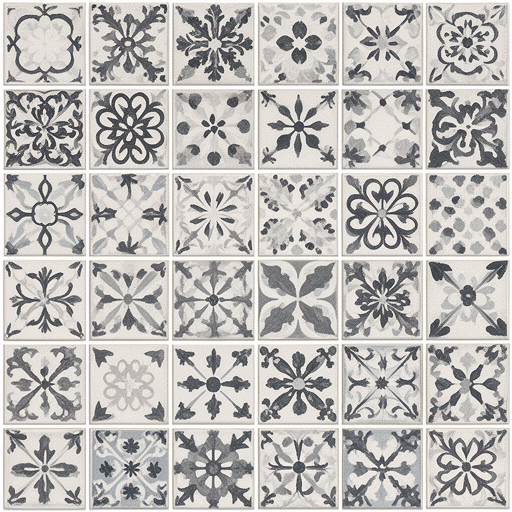
Lifespan of Mosaic and Decorative Tiles

Mosaic tiles are commonly used for feature walls and decorative areas.

Average Lifespan

10 to 20 years

Characteristics

  • Small tile pieces with many grout lines
  • High design flexibility
  • More maintenance required

Weak Point

Grout lines tend to wear out faster than the tiles themselves.


Signs Your Tiles Are Wearing Out

1. Cracks on Tile Surface

Cracks may indicate:

  • Structural movement
  • Heavy impact
  • Poor installation

2. Hollow Sounds

A hollow sound when tapping indicates:

  • Empty spaces under tiles
  • Weak bonding

3. Loose Tiles

Tiles that move slightly under pressure may indicate adhesive failure.


4. Discoloured Grout

Stains or dark grout lines suggest moisture or dirt buildup.


5. Uneven Flooring

Uneven tiles may indicate:

  • Base shifting
  • Installation issues

Common Causes of Early Tile Damage

1. Poor Installation Workmanship

Incorrect installation is the most common reason tiles fail early.


2. Water Seepage

Water can weaken adhesive layers over time.


3. Heavy Impact

Dropping heavy items can crack tiles instantly.


4. Lack of Maintenance

Dirt and moisture buildup can slowly damage grout and surface finish.


5. Building Movement

Natural structural shifts may affect tile alignment over time.


How to Extend the Lifespan of Your Tiles

1. Choose Quality Installation

Good workmanship ensures:

  • Proper adhesion
  • Even surface leveling
  • Long-term durability

2. Clean Regularly

Use mild cleaning solutions to prevent damage.


3. Fix Small Issues Early

Repair:

  • Loose tiles
  • Small cracks
  • Grout damage

before they worsen.


4. Avoid Harsh Chemicals

Strong cleaners can damage:

  • Tile surfaces
  • Grout lines

5. Control Moisture Levels

Keep wet areas well-ventilated to reduce long-term damage.


Tile Repair vs Replacement: What to Consider

When Repair Is Enough

  • Minor cracks
  • Small grout issues
  • Localised damage

When Replacement Is Needed

  • Widespread hollow tiles
  • Multiple cracks
  • Severe water damage
  • Uneven flooring

Replacement is usually better for long-term durability.


Best Tile Choices for Long-Term Durability

If longevity is your priority, consider:

1. Porcelain Tiles

  • Highly durable
  • Low maintenance
  • Long lifespan

2. Homogeneous Tiles

  • Strong and wear-resistant
  • Ideal for high-traffic areas

3. Natural Stone (With Maintenance)

  • Long lifespan
  • Premium look
  • Requires sealing and care

Conclusion

The lifespan of tiles in Singapore homes generally ranges from 10 to over 30 years, depending on material quality, installation, and maintenance.

While ceramic tiles offer affordability, porcelain and homogeneous tiles provide better long-term durability. Natural stone can last even longer but requires proper upkeep.

Understanding how long tiles last in Singapore helps homeowners make smarter renovation decisions, reduce repair costs, and choose materials that fit both lifestyle and budget.

With proper installation and maintenance, tiles can remain strong, safe, and visually appealing for decades.

Filed Under: Tiling

Best Tiles for HDB Flats in Singapore (2026 Guide): Flooring and Wall Tile Ideas

August 10, 2026 by admin

Table of Contents

  1. Introduction to HDB Tile Selection
  2. Why Tile Choice Matters in HDB Flats
  3. Key Factors to Consider Before Choosing Tiles
  4. Best Flooring Tiles for HDB Living Rooms
  5. Best Kitchen Tiles for HDB Flats
  6. Best Bathroom Tiles for HDB Homes
  7. Bedroom Tile Options for Comfort and Style
  8. Balcony and Outdoor Tile Recommendations
  9. Large Format Tiles vs Small Tiles in HDB Homes
  10. Popular Tile Finishes in Singapore
  11. Common Tile Design Styles for HDB Renovations
  12. Mistakes to Avoid When Choosing HDB Tiles
  13. Maintenance Tips for HDB Tiles
  14. Conclusion

Introduction to HDB Tile Selection

Choosing the right tiles in tiling works is one of the most important parts of renovating an HDB flat in Singapore. Tiles are not only a design element but also a long-term functional surface that affects comfort, safety, and maintenance.

In most Singapore homes, tiles are used for:

  • Living room flooring
  • Kitchen floors and walls
  • Bathroom floors and walls
  • Balcony areas
  • Occasionally bedrooms

With so many options available, selecting the best tiles for HDB Singapore homes can be overwhelming. The right choice depends on durability, slip resistance, maintenance, and design preference.

Best Tiles for HDB Flats in Singapore (2026 Guide) Flooring and Wall Tile Ideas

This guide explains the best tile options for different areas of an HDB flat and how to choose tiles that suit both lifestyle and budget.


Why Tile Choice Matters in HDB Flats

Tiles in HDB homes must handle daily usage while remaining easy to maintain.

Poor tile selection can lead to:

  • Slippery floors
  • Frequent stains
  • Cracks or damage
  • Difficult cleaning
  • Short lifespan

Good tile selection improves:

  • Safety
  • Comfort
  • Home aesthetics
  • Long-term durability

Because HDB flats are compact, tile design also affects how spacious a home feels.


Key Factors to Consider Before Choosing Tiles

1. Durability

HDB homes experience daily foot traffic, so tiles must be strong and long-lasting.


2. Slip Resistance

Especially important for:

  • Bathrooms
  • Kitchens
  • Balcony areas

3. Maintenance

Some tiles are easier to clean than others. Smooth surfaces are usually easier to maintain.


4. Budget

Tile prices vary depending on:

  • Material
  • Brand
  • Design
  • Installation requirements

5. Design Style

Tiles should match your interior theme such as:

  • Modern minimalist
  • Scandinavian
  • Industrial
  • Luxury contemporary

Best Flooring Tiles for HDB Living Rooms

The living room is the most visible area of an HDB flat, so tile choice plays a big role in overall interior design.

1. Large Format Porcelain Tiles

One of the most popular choices in Singapore.

Benefits:

  • Modern and clean look
  • Fewer grout lines
  • Makes space look bigger
  • Easy to clean

2. Homogeneous Tiles

Known for strength and durability.

Benefits:

  • Long-lasting
  • Scratch-resistant
  • Suitable for high traffic

3. Wood-Look Tiles

These tiles replicate the appearance of wood while offering better durability.

Benefits:

  • Warm and natural look
  • Water-resistant
  • Easy maintenance compared to real wood

Best Kitchen Tiles for HDB Flats

Kitchen tiles must handle heat, oil, water, and frequent cleaning.

1. Porcelain Tiles

A top choice for kitchen flooring and walls.

Benefits:

  • Water-resistant
  • Heat-resistant
  • Easy to clean

2. Anti-Slip Tiles

Important for safety in wet kitchen conditions.

Benefits:

  • Reduces risk of slipping
  • Suitable for cooking areas

3. Ceramic Wall Tiles

Commonly used for kitchen backsplashes.

Benefits:

  • Affordable
  • Wide design variety
  • Easy maintenance

Best Bathroom Tiles for HDB Homes

Bathrooms require tiles that are safe, water-resistant, and easy to maintain.

1. Anti-Slip Floor Tiles

Essential for safety.

Benefits:

  • Reduces accident risk
  • Suitable for wet areas

2. Textured Porcelain Tiles

Provides grip and durability.

Benefits:

  • Strong water resistance
  • Long-lasting
  • Safe surface texture

3. Mosaic Tiles

Often used for decorative or shower areas.

Benefits:

  • Stylish appearance
  • Flexible design patterns
  • Good for curved surfaces

Bedroom Tile Options for Comfort and Style

Although some homeowners prefer vinyl or wood flooring, tiles are still commonly used in bedrooms.

1. Wood-Look Porcelain Tiles

Benefits:

  • Warm appearance
  • Durable and low maintenance
  • Suitable for Singapore’s humidity

2. Matte Finish Tiles

Benefits:

  • Soft visual appearance
  • Less reflective
  • Comfortable aesthetic

Balcony and Outdoor Tile Recommendations

Balcony tiles must withstand weather conditions.

1. Outdoor Anti-Slip Tiles

Benefits:

  • Weather-resistant
  • Safe in wet conditions
  • Durable under sunlight

2. Textured Stone-Look Tiles

Benefits:

  • Natural appearance
  • High durability
  • Good grip

Large Format Tiles vs Small Tiles in HDB Homes

Large Format Tiles

Advantages:

  • Modern design
  • Fewer grout lines
  • Makes space look bigger

Disadvantages:

  • Harder installation
  • Requires skilled workmanship

Small Tiles

Advantages:

  • More design flexibility
  • Easier to replace
  • Suitable for detailed patterns

Disadvantages:

  • More grout lines
  • Higher maintenance

Popular Tile Finishes in Singapore

1. Glossy Finish

  • Reflective surface
  • Brightens up spaces
  • Common in living rooms

2. Matte Finish

  • Modern and subtle look
  • Less slippery
  • Easier maintenance

3. Textured Finish

  • Better grip
  • Suitable for bathrooms and outdoors

Common Tile Design Styles for HDB Renovations

1. Minimalist Style

  • Neutral colours
  • Clean lines
  • Simple patterns

2. Scandinavian Style

  • Light wood tones
  • Bright and airy feel

3. Industrial Style

  • Concrete-look tiles
  • Darker tones
  • Raw aesthetic

4. Luxury Modern Style

  • Marble-look tiles
  • Large format designs
  • Premium finishes

Mistakes to Avoid When Choosing HDB Tiles

1. Choosing Based on Appearance Only

Looks are important, but durability matters more.


2. Ignoring Maintenance Needs

Some tiles require more cleaning due to grout or texture.


3. Not Considering Slip Resistance

Especially important for bathrooms and kitchens.


4. Overlooking Floor Size Impact

Wrong tile size can make small spaces feel smaller.


Maintenance Tips for HDB Tiles

Regular Cleaning

Use mild cleaning agents to prevent surface damage.


Avoid Harsh Chemicals

Strong chemicals may damage grout and tile finish.


Fix Grout Issues Early

Prevent water seepage and dirt buildup.


Clean Spills Quickly

Especially in kitchen and bathroom areas.


Conclusion

Choosing the best tiles for HDB flats in Singapore requires balancing durability, safety, maintenance, and design. Each area of the home has different needs, from anti-slip bathroom tiles to durable living room flooring and heat-resistant kitchen surfaces.

By understanding the different tile options available, homeowners can make better renovation decisions that improve both functionality and aesthetics.

A well-planned tile selection ensures your HDB home remains stylish, practical, and easy to maintain for many years.

Filed Under: Tiling

Tile Overlay vs Tile Hacking in Singapore (2026 Guide): Which Option Is Better?

July 26, 2026 by admin

Table of Contents

  1. Introduction to Tile Overlay and Tile Hacking
  2. What Is Tile Hacking?
  3. What Is Tile Overlay?
  4. Key Differences Between Tile Hacking and Overlay
  5. Advantages of Tile Hacking
  6. Disadvantages of Tile Hacking
  7. Advantages of Tile Overlay
  8. Disadvantages of Tile Overlay
  9. Cost Comparison in Singapore
  10. When You Should Choose Tile Hacking
  11. When Tile Overlay Is a Better Option
  12. Common Mistakes Homeowners Make
  13. HDB and Condo Considerations
  14. How to Decide With Your Contractor
  15. Conclusion

Introduction to Tile Overlay and Tile Hacking

When renovating a home in Singapore, one of the most common flooring decisions homeowners face is whether to remove existing tiles or install new tiles over them.

This leads to two main options:

  • Tile hacking (removing existing tiles completely)
  • Tile overlay (installing new tiles on top of old ones)
Tile Overlay vs Tile Hacking in Singapore (2026 Guide): Which Option Is Better?

Both methods are widely used in HDB flats, condominiums, and landed properties. However, each has different advantages, costs, and suitability depending on the condition of the existing flooring.

Understanding the differences between tile overlay Singapore and tile hacking is important before starting any renovation project, as the wrong choice can lead to future issues such as uneven floors, hollow tiles, or unnecessary costs.


What Is Tile Hacking?

Tile hacking is the process of removing existing tiles completely before installing new flooring.

It involves breaking and clearing:

  • Floor tiles
  • Wall tiles (if needed)
  • Adhesive layers
  • Cement screed

Professional contractors use tools such as:

  • Electric breakers
  • Demolition hammers
  • Scraping tools

After removal, the surface is cleaned and prepared for new tile installation.


Purpose of Tile Hacking

Tile hacking is done to:

  • Remove damaged tiles
  • Fix uneven flooring
  • Reset the base surface
  • Prepare for new renovation designs

It is often used when the existing flooring is no longer suitable for overlay.


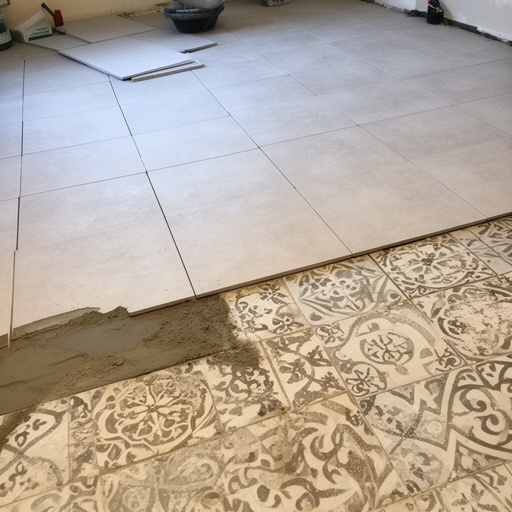
What Is Tile Overlay?

Tile overlay involves installing new tiles directly on top of existing tiles without removing them.

This method is used when the existing floor is still:

  • Stable
  • Level
  • Structurally sound

A bonding agent or adhesive is applied over the old surface before new tiles are installed.


Purpose of Tile Overlay

Tile overlay is commonly used to:

  • Speed up renovation work
  • Reduce hacking noise and dust
  • Save time and cost

It is often chosen for simple upgrades where full floor removal is not necessary.


Key Differences Between Tile Hacking and Overlay

Tile Hacking

  • Removes old tiles completely
  • Requires more time and labour
  • Produces dust and debris
  • Allows full inspection of base structure

Tile Overlay

  • Keeps existing tiles
  • Faster installation
  • Less noise and mess
  • Limited surface correction

Main Difference

Tile hacking focuses on resetting the floor, while tile overlay focuses on upgrading over existing surfaces.


Advantages of Tile Hacking

1. Stronger and More Reliable Base

Hacking allows contractors to prepare a fresh surface, improving long-term durability.


2. Fix Hidden Problems

It helps uncover:

  • Cracks in screed
  • Water damage
  • Uneven surfaces

3. Better Flooring Options

A clean base allows installation of:

  • Large-format tiles
  • Heavy tiles
  • Different materials

4. Longer Lifespan

Properly installed tiles on a fresh base tend to last longer.


Disadvantages of Tile Hacking

1. More Noise and Dust

Hacking creates significant disruption during renovation.


2. Longer Renovation Time

Additional steps such as removal and disposal are required.


3. Higher Labour Effort

More manpower and equipment are needed compared to overlay.


Advantages of Tile Overlay

1. Faster Renovation

Since existing tiles remain, installation is quicker.


2. Less Noise and Dust

Overlay reduces disruption, making it more neighbour-friendly.


3. Lower Immediate Cost

Less labour and demolition work may reduce upfront costs.


4. Convenient for Light Upgrades

Suitable when existing tiles are still in good condition.


Disadvantages of Tile Overlay

1. Floor Height Increase

Adding a new layer raises floor levels, which may affect:

  • Door clearance
  • Skirting alignment
  • Room transitions

2. Hidden Problems Remain

Issues like:

  • Hollow tiles
  • Water seepage
  • Cracks

may remain underneath.


3. Limited Long-Term Durability

If the base is not strong, problems may appear later.


Cost Comparison in Singapore

Tile Hacking

Generally more expensive due to:

  • Labour
  • Debris removal
  • Surface preparation

Tile Overlay

Usually cheaper upfront because:

  • No demolition required
  • Less waste disposal
  • Faster installation

Important Note

While overlay may seem cheaper, hacking may be more cost-effective long-term if the existing floor has issues.


When You Should Choose Tile Hacking

Tile hacking is recommended when:

  • Tiles are cracked or hollow
  • Floor is uneven
  • Water damage is present
  • You want a full renovation reset
  • Changing to premium tile types

It is the preferred method for long-term renovation quality.


When Tile Overlay Is a Better Option

Tile overlay is suitable when:

  • Existing tiles are stable
  • No hollow or loose areas
  • You want a quick upgrade
  • Budget or time is limited
  • Minimal renovation is required

It works best for cosmetic improvements.


Common Mistakes Homeowners Make

Choosing Overlay Without Inspection

Many homeowners choose overlay without checking for:

  • Hollow tiles
  • Structural issues

Ignoring Floor Height Changes

This can affect doors and transitions between rooms.


Focusing Only on Cost

Cheaper upfront cost may lead to expensive repairs later.


Not Consulting Contractors

Professional assessment is important before deciding.


HDB and Condo Considerations

In Singapore residential properties, both methods must follow renovation guidelines.

Important considerations include:

  • Noise restrictions (for hacking)
  • Approval for renovation works
  • Structural safety rules
  • Building management requirements

Some condos may also have specific flooring requirements.


How to Decide With Your Contractor

A professional contractor will usually inspect:

  • Floor condition
  • Tile bonding strength
  • Moisture levels
  • Screed condition

Based on this, they will recommend:

  • Tile hacking for long-term durability
  • Tile overlay for light renovation needs

Always request a proper site assessment before deciding.


Conclusion

Both tile hacking and tile overlay are widely used renovation methods in Singapore, but each serves a different purpose.

Tile hacking is ideal for homeowners who want a complete reset and long-term durability, while tile overlay is better for quick, cost-efficient upgrades when the existing floor is still in good condition.

Understanding the differences between tile overlay Singapore and tile hacking helps homeowners make better renovation decisions, avoid future problems, and achieve more satisfactory results.

Choosing the right method ultimately depends on your floor condition, budget, and renovation goals. Feel free to consult us for tiling works in Singapore.

Filed Under: Tiling

Top Questions to Ask Before Hiring a Tiling Contractor in Singapore

August 30, 2025 by admin

Table of Contents

  1. Introduction
  2. Why Asking the Right Questions Matters
  3. Are You Licensed and Certified?
  4. How Much Experience Do You Have?
  5. Can You Provide a Portfolio of Past Work?
  6. Do You Offer a Warranty or After-Service?
  7. What Is the Estimated Project Timeline?
  8. How Do You Handle Unexpected Issues?
  9. Can You Provide a Detailed Quote?
  10. What Type of Tiles Do You Recommend?
  11. Conclusion

Introduction

Tiling is a critical component of both residential and commercial renovations in Singapore. It affects not only the visual appeal of a space but also its functionality, durability, and long-term maintenance requirements. Hiring the right tiling contractor ensures that tiles are installed correctly, preventing costly errors and prolonging the lifespan of the surface. This guide explores essential questions to ask before hiring a tiling contractor, helping homeowners and business owners make informed decisions.

Top Questions to Ask Before Hiring a Tiling Contractor in Singapore

Why Asking the Right Questions Matters

Asking the right questions is crucial to ensure:

  • Quality Workmanship: Proper installation reduces the risk of cracking, uneven surfaces, and other common issues.
  • Cost Efficiency: Transparent pricing and planning prevent unexpected expenses.
  • Timely Completion: Clear communication regarding timelines ensures projects are completed on schedule.
  • Long-Term Durability: Professional advice helps select the right materials for the space.

Informed questioning helps you assess the contractor’s expertise, professionalism, and suitability for your project.


Are You Licensed and Certified?

Licensing and certification indicate a contractor’s credibility and compliance with Singapore’s construction standards:

  • Verify registration with the Building and Construction Authority (BCA) or other relevant authorities.
  • Ensure the contractor has specialized training in tiling, waterproofing, and safety protocols.
  • Licensed contractors are more likely to adhere to industry best practices and deliver reliable results.

A licensed contractor reduces the risk of substandard workmanship and potential legal issues.


How Much Experience Do You Have?

Experience demonstrates skill and familiarity with various tiling challenges:

  • Ask how many years they have been operating in the tiling industry.
  • Inquire about experience with specific tile types, layouts, and project sizes.
  • Experienced contractors can anticipate potential problems and implement effective solutions.

Experience ensures efficient, high-quality installations and reduces the likelihood of errors.


Can You Provide a Portfolio of Past Work?

A portfolio showcases the contractor’s capabilities:

  • Request photographs or videos of completed projects similar to your needs.
  • Look for quality, consistency, and attention to detail in past installations.
  • Client testimonials can provide insight into reliability, communication, and professionalism.

Reviewing past work helps homeowners visualize potential outcomes and build confidence in the contractor.


Do You Offer a Warranty or After-Service?

Warranties protect your investment and provide peace of mind:

  • Clarify the duration and coverage of warranties for labor and materials.
  • Understand the process for reporting issues and obtaining repairs or replacements.
  • Contractors who provide after-service demonstrate accountability and professionalism.

A comprehensive warranty ensures that any installation issues can be addressed without additional cost.


What Is the Estimated Project Timeline?

Knowing the timeline prevents delays and scheduling conflicts:

  • Request a start and completion date along with milestones for key phases.
  • Discuss factors that might extend the timeline, such as material availability or unforeseen challenges.
  • Confirm the contractor’s capacity to handle your project within the agreed schedule.

A clear timeline ensures smooth project management and minimizes disruption.


How Do You Handle Unexpected Issues?

Even well-planned projects can encounter challenges:

  • Ask how the contractor manages problems like uneven surfaces or tile defects.
  • Ensure they provide timely communication about additional costs or adjustments.
  • Professional contractors implement solutions proactively to maintain quality and schedule.

A contractor’s problem-solving approach reflects their experience and reliability.


Can You Provide a Detailed Quote?

Transparent quotes help avoid hidden costs:

  • Request a breakdown of labor, materials, preparation, and finishing work.
  • Confirm how additional costs or changes are handled.
  • Compare quotes from multiple contractors to gauge market rates and value.

A detailed quote ensures budget clarity and prevents surprises during the project.


What Type of Tiles Do You Recommend?

Professional advice on tile selection impacts durability and aesthetics:

  • Discuss tile material, size, finish, and suitability for your space.
  • Consider factors like moisture exposure, foot traffic, and maintenance requirements.
  • A knowledgeable contractor balances style with functionality for optimal results.

Proper tile selection ensures long-lasting performance and complements the interior design.


Conclusion

Hiring a tiling contractor in Singapore requires careful evaluation to ensure quality, durability, and value. Asking key questions about licensing, experience, portfolios, warranties, timelines, problem-solving, quotes, and tile recommendations allows homeowners and business owners to make informed choices. By selecting a professional contractor, you can achieve beautifully installed, long-lasting tiles while avoiding common pitfalls, saving both time and money.

Filed Under: Tiling

Tiling for Commercial Spaces: What Singapore Businesses Should Know

August 15, 2025 by admin

Table of Contents

  1. Introduction
  2. Importance of Tile Selection in Commercial Spaces
  3. Durability and Wear Resistance
  4. Slip Resistance and Safety Compliance
  5. Maintenance and Cleaning Considerations
  6. Design and Branding Through Tiles
  7. Cost and Budget Planning
  8. Choosing the Right Tiling Contractor
  9. Common Mistakes to Avoid
  10. Conclusion

Introduction

Tiling in commercial spaces plays a critical role in functionality, safety, and aesthetics. For Singapore businesses, selecting the right tiles is not just about appearance—it affects customer experience, employee safety, and operational efficiency. High-quality tiles and professional installation ensure long-lasting surfaces that withstand heavy foot traffic and daily wear. This guide highlights key considerations for tiling commercial spaces in Singapore, helping business owners make informed decisions.

Tiling for Commercial Spaces: What Singapore Businesses Should Know

Importance of Tile Selection in Commercial Spaces

Commercial environments face unique challenges:

  • High Foot Traffic: Tiles must endure constant movement without damage.
  • Safety Requirements: Anti-slip properties reduce workplace accidents.
  • Branding and Aesthetics: Tiles contribute to the overall image of the business.
  • Cost-Effectiveness: Durable tiles reduce long-term maintenance and replacement costs.

Selecting the right tile type and design enhances both functionality and brand perception.


Durability and Wear Resistance

Commercial spaces demand robust materials:

  • Porcelain Tiles: Highly durable and resistant to chipping, ideal for high-traffic areas.
  • Ceramic Tiles: Suitable for lower-traffic spaces or decorative wall applications.
  • Natural Stone: Offers luxury but may require sealing and higher maintenance.
  • Heavy-duty tiles reduce the need for frequent replacements, providing long-term cost savings.

Durability is a primary factor in ensuring longevity and performance.


Slip Resistance and Safety Compliance

Safety is paramount in public and commercial spaces:

  • Choose tiles with anti-slip ratings suitable for areas prone to moisture, such as kitchens, restrooms, and entrances.
  • Compliance with Singapore’s workplace safety guidelines prevents accidents and liability issues.
  • Textured or matte finishes can enhance traction without compromising aesthetics.

Properly selected tiles protect employees and visitors while maintaining professional appeal.


Maintenance and Cleaning Considerations

Commercial tiles must be easy to clean and maintain:

  • Smooth, durable surfaces simplify daily cleaning routines.
  • Stain-resistant and water-resistant tiles minimize long-term maintenance costs.
  • Professional advice on appropriate cleaning agents prevents damage and preserves appearance.

Low-maintenance tiles reduce operational disruption and costs over time.


Design and Branding Through Tiles

Tiles can reinforce brand identity and customer experience:

  • Color schemes and patterns can reflect the business’s theme or logo.
  • Feature walls or accent flooring create visual impact in lobbies or retail spaces.
  • Combining functionality with aesthetics ensures a professional and welcoming environment.

Strategic tile design enhances brand perception and customer engagement.


Cost and Budget Planning

Budgeting for commercial tiling requires careful consideration:

  • Factor in material quality, installation, and long-term maintenance costs.
  • Porcelain or high-quality tiles may have higher upfront costs but offer durability and lower lifecycle expenses.

Filed Under: Tiling

The Benefits of Using Porcelain vs Ceramic Tiles in Singapore Homes

July 30, 2025 by admin

Table of Contents

  1. Introduction
  2. Understanding Porcelain and Ceramic Tiles
  3. Durability and Strength Comparison
  4. Water Resistance and Moisture Handling
  5. Maintenance and Cleaning Requirements
  6. Design and Aesthetic Options
  7. Cost Considerations
  8. Installation Differences
  9. Best Applications for Each Tile Type
  10. Conclusion

Introduction

Selecting the right tile type is essential for Singapore homeowners seeking durable, stylish, and functional surfaces. Porcelain and ceramic tiles are two of the most popular options, each offering unique advantages by professional tiling contractor. Understanding their differences helps homeowners make informed decisions for flooring, walls, kitchens, and bathrooms. This guide compares porcelain and ceramic tiles, highlighting their benefits and ideal uses in Singapore homes.

The Benefits of Using Porcelain vs Ceramic Tiles in Singapore Homes

Understanding Porcelain and Ceramic Tiles

Porcelain and ceramic tiles share similarities but have distinct characteristics:

  • Ceramic Tiles: Made from red or white clay, baked at moderate temperatures, suitable for walls and floors with light to moderate traffic.
  • Porcelain Tiles: Denser, made from refined clay, fired at higher temperatures, offering greater strength and water resistance.

Both tile types come in a variety of finishes, colors, and patterns, allowing for versatile design applications.


Durability and Strength Comparison

Tile strength is crucial for long-lasting surfaces:

  • Ceramic Tiles: Adequate for residential areas with moderate foot traffic, but prone to chipping under heavy impact.
  • Porcelain Tiles: Highly durable, resistant to wear, and suitable for high-traffic areas or commercial spaces.
  • Porcelain’s density provides superior resistance to cracking and scratching.

Choosing the right tile based on traffic and usage ensures longevity.


Water Resistance and Moisture Handling

Water resistance is critical in Singapore’s humid climate:

  • Ceramic Tiles: Less water-resistant, suitable for dry areas or walls.
  • Porcelain Tiles: Highly impervious to water, ideal for bathrooms, kitchens, and outdoor spaces.
  • Proper sealing and grout application further enhance water protection.

Porcelain is generally the preferred choice for wet and high-moisture areas.


Maintenance and Cleaning Requirements

Both tile types are low-maintenance but differ slightly:

  • Ceramic Tiles: Easy to clean with mild detergents; avoid abrasive cleaners to prevent surface damage.
  • Porcelain Tiles: Extremely low-maintenance, resistant to stains, and suitable for areas requiring frequent cleaning.
  • Routine cleaning preserves shine and prevents dirt buildup in grout lines.

Maintenance simplicity makes both tiles practical for Singapore homes.


Design and Aesthetic Options

Tile design impacts interior style:

  • Ceramic Tiles: Wide range of colors, textures, and patterns; lighter weight makes installation easier.
  • Porcelain Tiles: Offers premium finishes such as polished, glazed, or natural stone effects; versatile for modern and traditional designs.
  • Both types can complement minimalist, contemporary, or classic interiors.

Selecting a tile that aligns with design goals enhances the overall aesthetic.


Cost Considerations

Budget is an important factor in tile selection:

  • Ceramic Tiles: Generally more affordable, suitable for larger coverage areas with moderate usage.
  • Porcelain Tiles: Higher upfront cost but greater durability and longevity justify the investment.
  • Long-term value should be weighed alongside initial purchase price.

Balancing cost and durability helps homeowners achieve functional and stylish spaces.


Installation Differences

Installation requirements vary between the two tile types:

  • Ceramic Tiles: Lightweight, easier to cut and install, suitable for DIY projects with simple layouts.
  • Porcelain Tiles: Heavier, harder to cut, often requiring professional installation and specialized tools.
  • Proper installation ensures longevity, prevents cracking, and maintains appearance.

Professional guidance is recommended for porcelain, especially for large or high-traffic areas.


Best Applications for Each Tile Type

Understanding ideal usage ensures optimal performance:

  • Ceramic Tiles: Walls, low-traffic residential areas, backsplashes, and decorative features.
  • Porcelain Tiles: Floors, bathrooms, kitchens, outdoor spaces, and high-traffic areas requiring durability.
  • Combining both types in a project allows homeowners to balance cost, functionality, and design.

Strategic selection maximizes both aesthetics and performance in Singapore homes.


Conclusion

Porcelain and ceramic tiles offer distinct advantages for Singapore homeowners. Porcelain excels in durability, water resistance, and premium design options, making it ideal for high-traffic and wet areas. Ceramic tiles are cost-effective, versatile, and suitable for walls and lower-traffic areas. Understanding their differences, maintenance needs, and installation requirements helps homeowners make informed choices. By selecting the right tile type for each application, Singapore homeowners can achieve stylish, long-lasting, and functional interiors that enhance both comfort and property value.

Filed Under: Tiling

  • Page 1
  • Page 2
  • Go to Next Page »

Copyright © 2026 ·

WhatsApp us