• Skip to primary navigation
  • Skip to main content
  • COMPANY PROFILE
  • HACKING AND DEMOLITION
  • TILING AND MASONRY
  • BLOG
placeholder-661-1.png

admin

Trendy Tile Colors and Patterns for Singapore Homes in 2025

June 15, 2025 by admin

Table of Contents

  1. Introduction
  2. Why Tile Colors and Patterns Matter
  3. Popular Neutral and Earth Tones
  4. Bold and Vibrant Colors for Accent Areas
  5. Geometric and Modern Patterns
  6. Classic Subway and Herringbone Styles
  7. Mosaics and Feature Walls
  8. Tips for Combining Colors and Patterns
  9. Conclusion

Introduction

Tiles are more than a practical flooring or wall solution—they define the style, mood, and personality of a home. In 2025, Singapore homeowners are increasingly embracing bold, innovative, and functional tile designs to elevate interiors. Selecting the right colors and patterns can transform a space, create focal points, and complement modern lifestyles. This guide explores trendy tile colors and patterns for Singapore homes and provides tips for integrating them seamlessly into your design.

Trendy Tile Colors and Patterns for Singapore Homes in 2025

Why Tile Colors and Patterns Matter

Tile choices impact both aesthetics and perception of space:

  • Visual Appeal: Colors and patterns create a mood, highlight features, or add elegance.
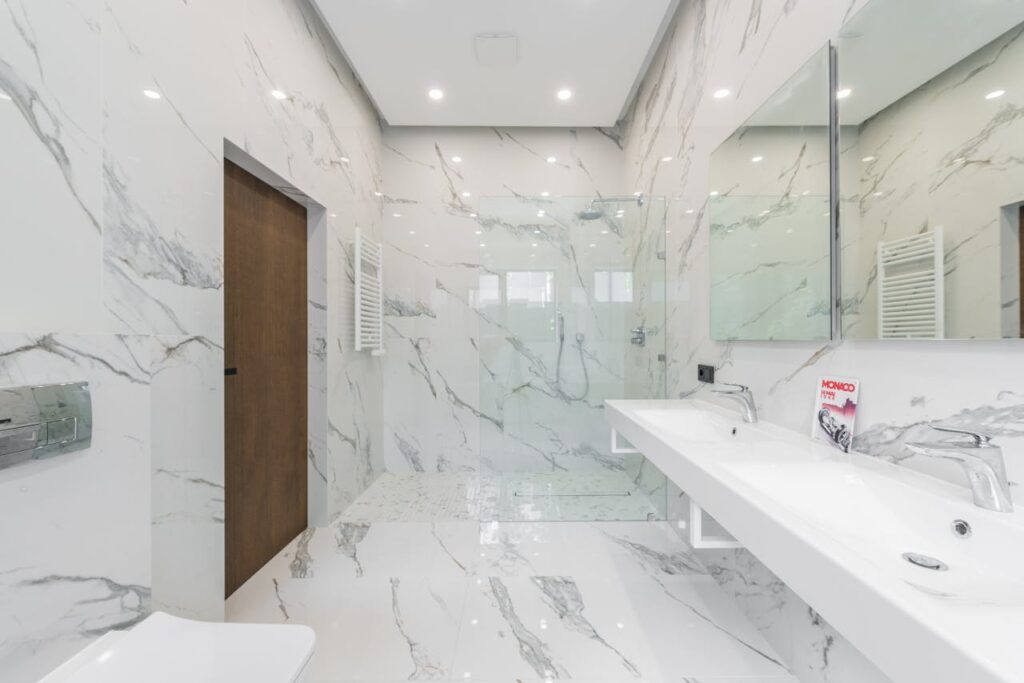
  • Perception of Space: Light colors and subtle patterns make rooms appear larger, while dark or bold colors add depth and character.
  • Consistency: Coordinated tiles unify the design and complement furniture, fixtures, and décor.

Understanding the effect of colors and patterns helps homeowners make informed choices for cohesive interiors.


Popular Neutral and Earth Tones

Neutral and earthy tones continue to dominate trends:

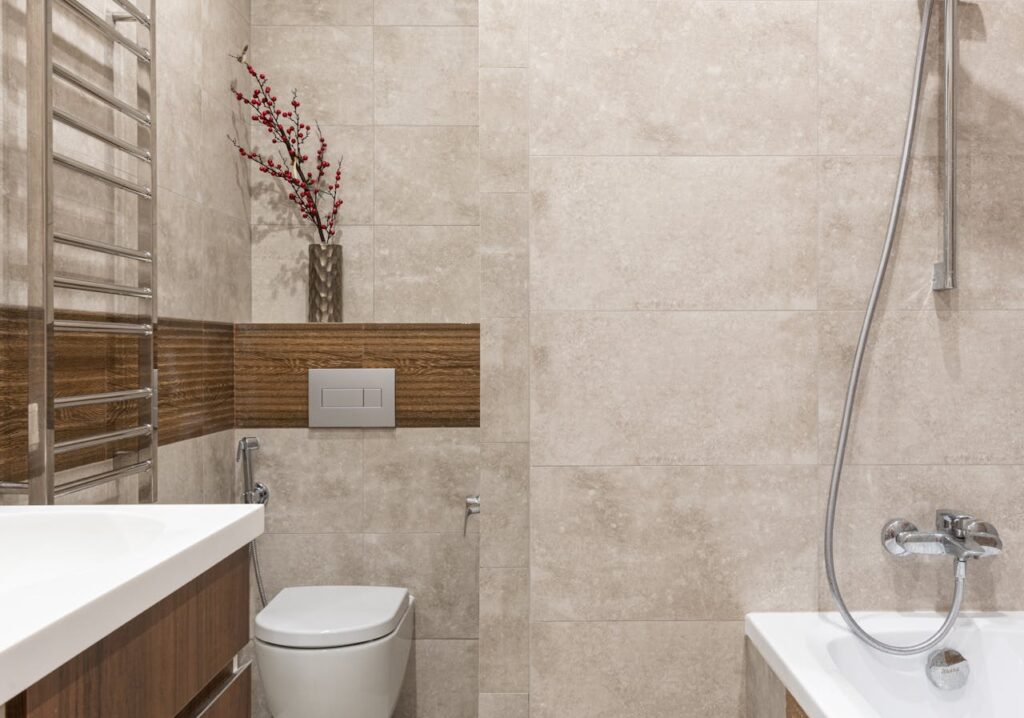
  • Shades of beige, taupe, gray, and soft whites create calm, timeless interiors.
  • Earthy colors such as terracotta and clay provide warmth and a natural aesthetic.
  • These colors pair well with wood, stone, and metal finishes, enhancing a harmonious design.

Neutral palettes are versatile, allowing homeowners to update accessories and furniture without changing tiles.


Bold and Vibrant Colors for Accent Areas

Bold colors are increasingly used to create focal points:

  • Jewel tones like emerald green, sapphire blue, and ruby red add luxury and character.
  • Accent walls or backsplashes in kitchens and bathrooms can make small areas visually striking.
  • Pairing vibrant tiles with neutral surroundings balances energy and sophistication.

Strategic use of bold colors allows homeowners to express personality without overwhelming spaces.


Geometric and Modern Patterns

Geometric tiles are a major trend in contemporary Singapore homes:

  • Hexagons, triangles, and chevrons create dynamic visual interest.
  • Patterns can define zones in open-concept layouts or emphasize architectural features.
  • Modern patterns complement minimalist, industrial, or Scandinavian design aesthetics.

Geometric designs are versatile and can be used on floors, walls, or as decorative accents.


Classic Subway and Herringbone Styles

Timeless patterns remain popular in 2025:

  • Subway Tiles: Simple rectangular tiles installed in a brick-like layout provide a clean, classic look.
  • Herringbone Patterns: Add elegance and texture to floors, walls, or kitchen backsplashes.
  • These styles combine traditional charm with modern flexibility, suitable for a variety of spaces.

Classic layouts are reliable choices for homeowners seeking longevity in design trends.


Mosaics and Feature Walls

Mosaic tiles create striking visual effects:

  • Small tiles arranged in intricate patterns or color gradients enhance focal points.
  • Ideal for bathrooms, kitchens, or decorative niches.
  • Can be mixed with plain tiles to create contrast and highlight key areas.

Mosaics allow for creative expression and a personalized touch in interior design.


Tips for Combining Colors and Patterns

Successfully blending colors and patterns requires careful planning:

  • Maintain balance by using neutral tiles with occasional bold accents.
  • Avoid overly complex patterns in small spaces to prevent visual clutter.
  • Use complementary grout colors to enhance or contrast with tile tones.
  • Consult a professional tiling contractor for layout planning and execution.

Thoughtful combinations ensure a cohesive and stylish look throughout the home.


Conclusion

Trendy tile colors and patterns in Singapore for 2025 focus on balance, personalization, and functionality. Neutral and earthy tones provide a timeless foundation, while bold colors, geometric shapes, classic subway, and herringbone patterns add character and sophistication. Mosaics and feature walls offer opportunities for creative expression. By strategically selecting and combining colors and patterns, homeowners can elevate interiors, optimize visual appeal, and create functional, stylish spaces that reflect contemporary design trends.

Filed Under: Tiling

How to Maintain Your Tiles and Extend Their Lifespan in Singapore

May 30, 2025 by admin

Table of Contents

  1. Introduction
  2. Understanding the Importance of Tile Maintenance
  3. Daily Cleaning Practices
  4. Proper Grout Care
  5. Handling Stains and Spills
  6. Dealing with Mold and Mildew
  7. Sealing and Re-Sealing Tiles
  8. Avoiding Common Tile Damage
  9. Hiring Professionals for Maintenance
  10. Conclusion

Introduction

Tiles are a popular choice for Singapore homes and commercial spaces due to their durability, water resistance, and aesthetic appeal. However, even the highest quality tiles by professional tiling contractors can deteriorate over time without proper maintenance. Regular care not only preserves the appearance of your tiles but also extends their lifespan, saving money on replacements and repairs. This guide provides practical tips for maintaining your tiles effectively in Singapore’s humid climate.

How to Maintain Your Tiles and Extend Their Lifespan in Singapore

Understanding the Importance of Tile Maintenance

Maintaining tiles is essential for several reasons:

  • Aesthetic Appeal: Well-maintained tiles retain their color, shine, and pattern.
  • Durability: Proper care prevents cracks, chips, and premature wear.
  • Hygiene: Regular cleaning prevents mold, mildew, and bacteria buildup.
  • Cost Savings: Preventative maintenance reduces the need for costly repairs or replacement.

Ignoring maintenance can lead to long-term damage, especially in areas exposed to moisture like bathrooms and kitchens.


Daily Cleaning Practices

Daily care is the first step in preserving tiles:

  • Sweeping or Vacuuming: Remove dirt, dust, and debris to prevent scratches.
  • Mopping with Mild Cleaners: Use non-abrasive, pH-neutral cleaning solutions.
  • Wiping Spills Immediately: Prevent stains from setting on tile surfaces.

Consistent daily cleaning maintains both the look and integrity of your tiles.


Proper Grout Care

Grout is vulnerable to stains, mold, and deterioration if neglected:

  • Regular Scrubbing: Use a soft brush and mild cleaner to clean grout lines.
  • Sealing Grout: Apply a high-quality grout sealant to prevent water penetration.
  • Repairing Cracked Grout: Replace damaged grout to prevent tile loosening or water damage.

Maintaining grout is crucial for the longevity and waterproofing of tiled surfaces.


Handling Stains and Spills

Prompt action prevents permanent damage:

  • Water and Beverage Spills: Wipe immediately with a soft cloth.
  • Oil or Grease: Use a gentle degreasing cleaner suitable for tiles.
  • Colored Stains: For stubborn stains, consider baking soda paste or commercial tile cleaners.

Using the right cleaning method preserves tile appearance without causing scratches or discoloration.


Dealing with Mold and Mildew

Singapore’s humid climate can promote mold growth on tiles:

  • Ventilation: Keep bathrooms and kitchens well-ventilated to reduce moisture.
  • Anti-Mold Cleaners: Use environmentally safe mold and mildew removers.
  • Preventative Measures: Regularly dry wet areas and inspect grout lines.

Addressing mold early prevents health hazards and protects tile surfaces.


Sealing and Re-Sealing Tiles

Some tiles and natural stones require sealing to maintain water resistance:

  • Initial Sealing: Apply a suitable sealant after installation to protect against stains and moisture.
  • Periodic Re-Sealing: Reapply sealant every 1–2 years depending on tile type and usage.
  • Choosing the Right Sealant: Consult professionals for sealants compatible with your tile material.

Proper sealing enhances durability and reduces maintenance needs.


Avoiding Common Tile Damage

Preventative measures protect tiles from damage:

  • Avoid Heavy Impact: Prevent dropping heavy objects on tiled floors.
  • Use Mats or Rugs: Place mats at entrances to reduce dirt and wear.
  • Furniture Pads: Protect tiles from scratches caused by furniture legs.

Being mindful of daily wear and tear helps maintain a flawless tile surface.


Hiring Professionals for Maintenance

Professional cleaning and maintenance can enhance tile longevity:

  • Deep Cleaning: Professionals can remove deep-seated dirt and restore shine.
  • Grout Restoration: Experts can re-grout or seal areas efficiently.
  • Inspection and Repair: Contractors identify potential issues before they worsen.

Periodic professional maintenance ensures long-term protection and aesthetics.


Conclusion

Maintaining tiles in Singapore requires consistent care, proper cleaning, grout management, sealing, and preventative measures. Addressing stains, mold, and daily wear promptly extends the lifespan of your tiles, keeping them visually appealing and functional. By combining daily upkeep with periodic professional maintenance, homeowners can protect their investment, enhance hygiene, and enjoy durable, beautiful tiled surfaces for years to come.

Filed Under: Tiling

Top Questions to Ask Before Hiring a Tiling Contractor in Singapore

May 15, 2025 by admin

Table of Contents

  1. Introduction
  2. Why Asking the Right Questions Matters
  3. Are You Licensed and Certified?
  4. How Much Experience Do You Have?
  5. Can You Provide a Portfolio of Past Work?
  6. Do You Offer a Warranty or After-Service?
  7. What Is the Estimated Project Timeline?
  8. How Do You Handle Unexpected Issues?
  9. Can You Provide a Detailed Quote?
  10. What Type of Tiles Do You Recommend?
  11. Conclusion

Introduction

Hiring a tiling contractor in Singapore is a critical decision for any home renovation or commercial project. Tiling not only enhances the aesthetic appeal of your space but also affects durability, safety, and long-term maintenance. Choosing the wrong contractor can result in poor workmanship, wasted materials, and unnecessary expenses. Asking the right questions before hiring ensures that you select a professional who meets your needs and delivers quality results. This guide outlines the top questions to ask potential tiling contractors in Singapore.

Top Questions to Ask Before Hiring a Tiling Contractor in Singapore

Why Asking the Right Questions Matters

Tiling involves a combination of skill, precision, and experience. Without proper communication and vetting, homeowners risk:

  • Misaligned or uneven tiles
  • Incorrect material selection
  • Delays and budget overruns
  • Future maintenance issues

By asking informed questions, you can assess the contractor’s expertise, reliability, and compatibility with your project vision.


Are You Licensed and Certified?

Licensing and certifications indicate professionalism and adherence to industry standards:

  • Verify registration with Singapore’s Building and Construction Authority (BCA) or relevant local authorities.
  • Check for training in tiling techniques, waterproofing, and surface preparation.
  • Ensure compliance with safety and construction regulations.

A licensed contractor reduces the risk of substandard work and potential legal issues.


How Much Experience Do You Have?

Experience is a key indicator of competence:

  • Ask how many years they have been in the tiling industry.
  • Inquire about experience with specific materials like ceramic, porcelain, or natural stone.
  • Determine whether they have worked on similar projects in size and complexity.

Experienced contractors can anticipate potential issues and deliver precise, durable results.


Can You Provide a Portfolio of Past Work?

A portfolio showcases the contractor’s style, skill, and attention to detail:

  • Request photos or videos of completed projects.
  • Focus on work similar to your intended design.
  • Evaluate consistency, alignment, and finishing quality.

Reviewing past projects helps homeowners visualize the potential outcome and gain confidence in the contractor’s capabilities.


Do You Offer a Warranty or After-Service?

A warranty provides protection for both materials and workmanship:

  • Confirm the duration and coverage of the warranty.
  • Ask about policies for repairs or replacements in case of defects.
  • Ensure after-service support is available for future maintenance.

A contractor offering a comprehensive warranty demonstrates accountability and professionalism.


What Is the Estimated Project Timeline?

Understanding the project timeline prevents delays and scheduling conflicts:

  • Ask for a clear start and completion date.
  • Request milestones for major phases, such as preparation, tiling, grouting, and sealing.
  • Discuss potential factors that could affect the timeline.

Clear timelines ensure smoother coordination with other renovation tasks and minimize disruption.


How Do You Handle Unexpected Issues?

Construction projects often encounter unforeseen challenges:

  • Inquire about their approach to handling unexpected problems, such as uneven surfaces or material shortages.
  • Ask whether additional costs are communicated in advance.
  • Ensure they have contingency plans to maintain quality and deadlines.

A contractor who proactively addresses challenges demonstrates experience and professionalism.


Can You Provide a Detailed Quote?

A transparent quote helps you plan your budget accurately:

  • Request a breakdown of labor, materials, and additional services.
  • Ensure all potential costs, including preparation and finishing, are included.
  • Compare multiple quotes to assess market rates and value.

A detailed quote reduces the risk of hidden fees or misunderstandings during the project.


What Type of Tiles Do You Recommend?

The right tile choice affects aesthetics, durability, and maintenance:

  • Ask for recommendations based on your space, usage, and budget.
  • Discuss pros and cons of materials such as ceramic, porcelain, and natural stone.
  • Ensure the contractor considers slip resistance, water exposure, and long-term durability.

Professional guidance helps homeowners select tiles that suit both style and functionality.


Conclusion

Hiring a tiling contractor in Singapore requires careful evaluation to ensure high-quality results. Asking the right questions—about licensing, experience, portfolio, warranties, timelines, problem-solving, quotes, and tile recommendations—helps homeowners make informed decisions. By thoroughly vetting potential contractors, you can secure a professional who delivers precise, durable, and aesthetically pleasing tiling, ultimately protecting your investment and enhancing your home or commercial space.

Filed Under: Tiling

How to Choose the Right Tiling Contractor in Singapore for Your Home Renovation

April 26, 2025 by admin

When it comes to home renovations in Singapore, tiling is often one of the most important aspects—impacting not just the aesthetics but also the durability and value of the space. Whether you’re redoing your kitchen backsplash, upgrading your bathroom walls, or laying tiles for a brand-new living room floor, choosing the right tiling contractor is crucial to getting the results you want.

How to Choose the Right Tiling Contractor in Singapore for Your Home Renovation

This article will guide you through everything you need to consider when selecting a tiling contractor in Singapore, ensuring a smooth, stress-free experience and long-lasting results.


1. Understand Your Tiling Needs

Before reaching out to any contractors, take time to assess what kind of tiling work your project involves. Are you tiling a wet area like a bathroom or a dry area like a living room? Are you installing ceramic, porcelain, marble, or vinyl tiles?

Some contractors may specialize in specific types of tiles or surfaces. Understanding your needs helps you shortlist tilers who have the right experience and materials to handle the job.


2. Check for Licensing and Insurance

In Singapore, it’s vital to ensure that any contractor you hire is properly licensed and, ideally, BCA-registered (Building and Construction Authority). A licensed contractor typically adheres to local regulations and safety practices, reducing your risk of project delays or defects.

Insurance is another important factor. Contractors should carry liability insurance to cover potential damages or injuries during the project. Don’t hesitate to ask for proof of both before signing any agreement.


3. Review Their Portfolio

A professional tiling contractor should have a portfolio of past projects. Reviewing photos or even visiting completed works (if possible) allows you to evaluate the quality of their workmanship, design consistency, and attention to detail.

Look out for signs of clean grout lines, proper tile alignment, and smooth finishes. Whether it’s residential bathroom tiles or commercial flooring, consistency across projects often reflects strong workmanship.


4. Ask About Experience With Local Conditions

Singapore’s climate is hot and humid, which can affect tile adhesive, grout performance, and long-term durability. Contractors experienced with local materials and conditions will be more likely to use the right sealing methods, waterproofing techniques, and moisture-resistant materials.

For example, bathrooms in Singapore often benefit from anti-slip tiles, waterproof membranes, and epoxy grout, which a skilled contractor should be familiar with.


5. Compare Multiple Quotes (But Don’t Just Choose the Cheapest)

It’s wise to request quotes from at least three tiling contractors in Singapore. This gives you a sense of market rates and helps you avoid being overcharged.

However, the cheapest quote isn’t always the best. Consider what’s included in each quote:

  • Are materials included?
  • Is removal of old tiles part of the cost?
  • Is waterproofing included?
  • Are warranties or touch-ups offered?

Hidden costs can add up quickly, so always ask for a detailed breakdown.


6. Read Reviews and Ask for References

Online reviews on platforms like Google, Facebook, or renovation forums can give you insight into a contractor’s reputation. Pay attention to comments about punctuality, cleanliness, communication, and responsiveness.

You can also request direct references. Speaking to previous clients allows you to ask questions like:

  • Was the project completed on time and within budget?
  • Were there any issues, and how were they handled?
  • Would you hire the same contractor again?

Consistently positive feedback is a good indicator of reliability.


7. Clarify the Project Timeline

Tiling projects can vary widely in duration, from a couple of days to several weeks. A professional contractor should provide a realistic and transparent timeline that includes:

  • Preparation time (e.g., removing old tiles)
  • Tile delivery or material procurement
  • Installation period
  • Curing time for adhesive or grout
  • Final cleaning or sealing

Make sure timelines are outlined in the agreement to avoid delays that could disrupt your renovation schedule.


8. Confirm Warranty and After-Service Support

Reputable tiling contractors should offer a workmanship warranty—usually between 6 months and 2 years depending on the project scope. This protects you against issues like tiles loosening, grout cracking, or water leakage due to improper installation.

Ask how warranty claims are handled, how quickly repairs are scheduled, and whether there’s a cost involved after a certain period.

After-service support is especially important in areas like bathrooms or balconies where waterproofing plays a critical role.


9. Communicate Clearly and Document Everything

Clear communication is key to avoiding misunderstandings. Make sure the contractor understands your expectations regarding:

  • Tile layout or orientation
  • Grout color and spacing
  • Trim and edge finish
  • Tile height and leveling
  • Waste disposal and post-project cleaning

Put all agreements in writing—ideally in a signed contract that includes costs, materials, timeline, payment milestones, and warranty terms. This protects both parties and ensures everyone stays accountable.


10. Visit Ongoing Job Sites (If Allowed)

If you want extra confidence before hiring a tiling contractor, ask if you can visit a current job site. This gives you a firsthand look at how the team operates:

  • Is the site organized and safe?
  • Are workers wearing proper safety gear?
  • Is work progressing at a good pace?
  • Are tools and materials neatly arranged?

Observing a team in action can give you peace of mind before you commit.


Conclusion

Hiring the right tiling contractor in Singapore can mean the difference between a smooth renovation and a stressful experience. By taking the time to research credentials, review past projects, understand what’s included in the quote, and establish clear communication, you set your project up for success.

Whether you’re tiling a small bathroom or flooring an entire home, quality workmanship will not only improve the look and feel of your space but also ensure it stands the test of time. Take the process seriously, and your home will thank you for it.


Filed Under: Tiling

Renovation Contractor

April 13, 2025 by admin

Why Hiring a Reliable Renovation Contractor Matters

Engaging a trustworthy contractor is crucial for:

  • Compliance with Regulations: HDB has specific guidelines for renovations to maintain structural integrity and safety.
  • Quality Workmanship: Experienced contractors deliver high-quality finishes that enhance your home’s value.
  • Timely Completion: Professional contractors adhere to agreed timelines, minimizing disruptions.
Renovation Contractor

Step-by-Step Guide to Hiring the Right Contractor

1. Define Your Renovation Goals

Outline the scope of your project, including specific areas to renovate, desired materials, and design preferences. This clarity helps in communicating your vision to potential contractors.

2. Research and Shortlist Contractors

Look for licensed contractors familiar with HDB regulations. Additionally, seek recommendations from friends or online forums to identify reputable contractors.

3. Verify Credentials and Experience

Ensure the contractor is HDB-registered and has a valid license. Review their portfolio to assess experience with projects similar to yours. Look for consistency in quality and style that aligns with your vision.

4. Obtain Detailed Quotations

Request comprehensive quotes from at least three contractors. Each quotation should include:

  • Breakdown of costs (materials, labor, etc.)
  • Project timeline
  • Payment schedule

Comparing these details helps in making an informed decision.

5. Check References and Past Work

Contact previous clients to inquire about their experience with the contractor. Ask about:

  • Adherence to timelines
  • Quality of work
  • Communication and professionalism

If possible, visit completed projects to see the workmanship firsthand.

6. Review and Sign a Detailed Contract

Before commencing work, ensure a written contract is in place, outlining:

  • Scope of work
  • Materials to be used
  • Project timeline
  • Payment terms
  • Warranty and after-service policies

A clear contract protects both parties and sets expectations.


Understanding HDB Renovation Guidelines

HDB has specific rules to ensure safety and structural integrity:

  • Permissible Works: Includes internal painting, installation of grilles, and non-structural changes.
  • Prohibited Works: Such as removing structural walls, overloading floors, or altering external facades.

Always consult the HDB Renovation Guidelines before planning your renovation.


Tips for a Smooth Renovation Process

  • Maintain Open Communication: Regular updates and discussions with your contractor prevent misunderstandings.
  • Monitor Progress: Schedule site visits to ensure work aligns with plans and quality standards.
  • Be Prepared for Adjustments: Unexpected issues may arise; flexibility and prompt decision-making are key.

Final Inspection and Completion

Upon project completion:

  • Conduct a Thorough Inspection: Check all work against the contract specifications.
  • Address Deficiencies: Note any issues and have them rectified before final payment.
  • Obtain Warranty Documents: Ensure all warranties and guarantees are documented for future reference.

Embarking on a renovation journey in Singapore requires careful planning and the right professional support. By following this guide, you can confidently hire a reliable contractor, ensuring a successful transformation of your home.


Filed Under: Hacking

Singapore Reinstatement Works

March 30, 2025 by admin

Reinstatement Works in Singapore

Understanding Reinstatement Works
Reinstatement works involve restoring a property to its original state, typically after a renovation or tenancy period ends. It is the responsibility of the contractor to carry out these tasks, which often include removing modifications and repairing any changes made to the space. This process is essential in both commercial and residential contexts, ensuring the premises can be handed over in the required condition.

Singapore Reinstatement Works

Why Hiring a Skilled Contractor Matters
Selecting an experienced contractor is crucial. A knowledgeable professional ensures that the reinstatement is completed to legal and structural standards, minimizing disputes and potential costs related to damages or incomplete work.


When is Reinstatement Required?

In Singapore, reinstatement obligations are commonly outlined in tenancy agreements. Tenants—particularly in commercial, retail, or industrial spaces—are usually required to return the unit in its original form once the lease concludes. This means dismantling any additions and undoing modifications made during their occupancy.


Key Objectives of Reinstatement

The primary goal is to revert the space to its original layout and condition. This enables landlords to lease the premises again without further renovation. Tasks often include removing internal fittings, undoing structural changes, and repainting. These steps help ensure the space meets the next tenant’s or building management’s standards.


Scope of Reinstatement Works

Reinstatement tasks vary depending on the property type and extent of alterations. Below are typical components covered:

  1. Dismantling Walls and Ceilings: Removal and repair of walls or ceilings to original configurations.
  2. Floor Restoration: Stripping off flooring materials for replacement or cleanup.
  3. Ceiling Board Replacement: Reinstallation of ceiling panels where necessary.
  4. Electrical Works: Disconnecting power points, sockets, and rewiring as needed.
  5. Wall Repairs: Fixing damages using proper materials such as hollow blocks.
  6. Furniture Removal: Clearing out office furniture, partitions, and cubicles.
  7. Power Point Repositioning: Adjusting power points to comply with original layouts.
  8. Air Compressor Handling: Uninstalling and addressing any related system issues.
  9. Fixtures Removal: Taking down blinds, curtains, internal doors, etc.
  10. Painting: Repainting to match the original colour scheme of the property.

Types of Reinstatement Projects

Shophouse Reinstatement

These heritage buildings often come with strict conservation guidelines. Reinstating a shophouse means carefully removing tenant-specific fixtures and preserving traditional architecture under URA regulations.

Office Reinstatement

Common in corporate leases, office reinstatement involves removing partitions, ceiling panels, furniture, and wiring. It ensures the space is returned to a clean, neutral condition suitable for future tenants.

Restaurant Reinstatement

Given the complexity of kitchen setups, this process may include dismantling cooking appliances, plumbing systems, and exhaust units. Tenants must adhere to fire safety and health standards when restoring the space.

Retail Reinstatement

In malls and shopping centers, retailers often have to hack or remove decorative features and return the unit to a standard layout. Most reinstatement is done outside of operating hours due to mall regulations.


Should You Engage a Professional Reinstatement Contractor?

Absolutely—especially if alterations were made during your lease. Most lease agreements make reinstatement mandatory. A qualified contractor ensures everything is handled properly, helping you avoid penalties or forfeiting your security deposit.


Need expert help with reinstatement? Get in touch with us today for a professional assessment and quotation.

Filed Under: Hacking

  • « Go to Previous Page
  • Page 1
  • Page 2
  • Page 3
  • Go to Next Page »

Copyright © 2026 ·

WhatsApp us