• Skip to primary navigation
  • Skip to main content
  • COMPANY PROFILE
  • HACKING AND DEMOLITION
  • TILING AND MASONRY
  • BLOG
placeholder-661-1.png

Tiling

The Benefits of Using Porcelain vs Ceramic Tiles in Singapore Homes

July 30, 2025 by admin

Table of Contents

  1. Introduction
  2. Understanding Porcelain and Ceramic Tiles
  3. Durability and Strength Comparison
  4. Water Resistance and Moisture Handling
  5. Maintenance and Cleaning Requirements
  6. Design and Aesthetic Options
  7. Cost Considerations
  8. Installation Differences
  9. Best Applications for Each Tile Type
  10. Conclusion

Introduction

Selecting the right tile type is essential for Singapore homeowners seeking durable, stylish, and functional surfaces. Porcelain and ceramic tiles are two of the most popular options, each offering unique advantages by professional tiling contractor. Understanding their differences helps homeowners make informed decisions for flooring, walls, kitchens, and bathrooms. This guide compares porcelain and ceramic tiles, highlighting their benefits and ideal uses in Singapore homes.

The Benefits of Using Porcelain vs Ceramic Tiles in Singapore Homes

Understanding Porcelain and Ceramic Tiles

Porcelain and ceramic tiles share similarities but have distinct characteristics:

  • Ceramic Tiles: Made from red or white clay, baked at moderate temperatures, suitable for walls and floors with light to moderate traffic.
  • Porcelain Tiles: Denser, made from refined clay, fired at higher temperatures, offering greater strength and water resistance.

Both tile types come in a variety of finishes, colors, and patterns, allowing for versatile design applications.


Durability and Strength Comparison

Tile strength is crucial for long-lasting surfaces:

  • Ceramic Tiles: Adequate for residential areas with moderate foot traffic, but prone to chipping under heavy impact.
  • Porcelain Tiles: Highly durable, resistant to wear, and suitable for high-traffic areas or commercial spaces.
  • Porcelain’s density provides superior resistance to cracking and scratching.

Choosing the right tile based on traffic and usage ensures longevity.


Water Resistance and Moisture Handling

Water resistance is critical in Singapore’s humid climate:

  • Ceramic Tiles: Less water-resistant, suitable for dry areas or walls.
  • Porcelain Tiles: Highly impervious to water, ideal for bathrooms, kitchens, and outdoor spaces.
  • Proper sealing and grout application further enhance water protection.

Porcelain is generally the preferred choice for wet and high-moisture areas.


Maintenance and Cleaning Requirements

Both tile types are low-maintenance but differ slightly:

  • Ceramic Tiles: Easy to clean with mild detergents; avoid abrasive cleaners to prevent surface damage.
  • Porcelain Tiles: Extremely low-maintenance, resistant to stains, and suitable for areas requiring frequent cleaning.
  • Routine cleaning preserves shine and prevents dirt buildup in grout lines.

Maintenance simplicity makes both tiles practical for Singapore homes.


Design and Aesthetic Options

Tile design impacts interior style:

  • Ceramic Tiles: Wide range of colors, textures, and patterns; lighter weight makes installation easier.
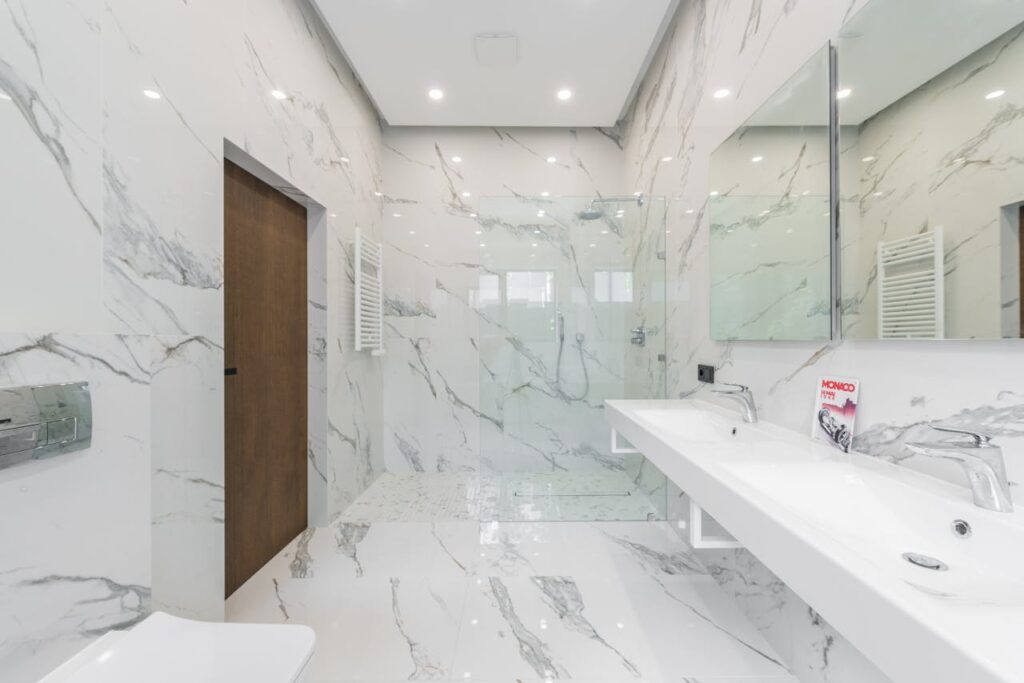
  • Porcelain Tiles: Offers premium finishes such as polished, glazed, or natural stone effects; versatile for modern and traditional designs.
  • Both types can complement minimalist, contemporary, or classic interiors.

Selecting a tile that aligns with design goals enhances the overall aesthetic.


Cost Considerations

Budget is an important factor in tile selection:

  • Ceramic Tiles: Generally more affordable, suitable for larger coverage areas with moderate usage.
  • Porcelain Tiles: Higher upfront cost but greater durability and longevity justify the investment.
  • Long-term value should be weighed alongside initial purchase price.

Balancing cost and durability helps homeowners achieve functional and stylish spaces.


Installation Differences

Installation requirements vary between the two tile types:

  • Ceramic Tiles: Lightweight, easier to cut and install, suitable for DIY projects with simple layouts.
  • Porcelain Tiles: Heavier, harder to cut, often requiring professional installation and specialized tools.
  • Proper installation ensures longevity, prevents cracking, and maintains appearance.

Professional guidance is recommended for porcelain, especially for large or high-traffic areas.


Best Applications for Each Tile Type

Understanding ideal usage ensures optimal performance:

  • Ceramic Tiles: Walls, low-traffic residential areas, backsplashes, and decorative features.
  • Porcelain Tiles: Floors, bathrooms, kitchens, outdoor spaces, and high-traffic areas requiring durability.
  • Combining both types in a project allows homeowners to balance cost, functionality, and design.

Strategic selection maximizes both aesthetics and performance in Singapore homes.


Conclusion

Porcelain and ceramic tiles offer distinct advantages for Singapore homeowners. Porcelain excels in durability, water resistance, and premium design options, making it ideal for high-traffic and wet areas. Ceramic tiles are cost-effective, versatile, and suitable for walls and lower-traffic areas. Understanding their differences, maintenance needs, and installation requirements helps homeowners make informed choices. By selecting the right tile type for each application, Singapore homeowners can achieve stylish, long-lasting, and functional interiors that enhance both comfort and property value.
Filed Under: Tiling

Common Tile Installation Problems and How Professionals Fix Them in Singapore

July 16, 2025 by admin

Table of Contents

  1. Introduction
  2. Why Professional Installation Matters
  3. Uneven or Misaligned Tiles
  4. Cracked or Broken Tiles
  5. Poor Grouting and Sealing
  6. Water Leakage and Mold Issues
  7. Tiles Coming Loose Over Time
  8. Problems with Tile Adhesive
  9. How to Choose a Contractor Who Prevents Issues
  10. Conclusion

Introduction

Tile installation is a critical aspect of home and commercial renovations in Singapore. While tiles can dramatically enhance aesthetics and functionality, improper installation can lead to persistent problems, extra costs, and maintenance headaches. Many homeowners attempt DIY tiling or hire inexperienced contractors, only to face issues such as cracked tiles, uneven surfaces, or water leakage. This guide outlines common tile installation problems and how professional tiling contractors address them effectively.

Common Tile Installation Problems and How Professionals Fix Them in Singapore

Why Professional Installation Matters

Professional tiling ensures precision, durability, and aesthetic appeal:

  • Skilled contractors understand surface preparation, adhesive types, and tile layouts.
  • Proper installation prevents issues like misalignment, cracking, and water damage.
  • Professionals provide warranties and after-service support, offering peace of mind.

Investing in expert installation saves time, money, and long-term maintenance challenges.


Uneven or Misaligned Tiles

Misaligned tiles create an unsightly finish and can affect safety:

  • Common causes include uneven subfloors, incorrect measurements, or poor layout planning.
  • Professionals use leveling systems, spacers, and precise measurements to ensure uniformity.
  • Correcting misalignment during installation prevents future repairs and maintains a smooth, even surface.

Accurate alignment enhances visual appeal and reduces tripping hazards.


Cracked or Broken Tiles

Tiles can crack due to impact, improper handling, or subfloor issues:

  • Professionals inspect the subfloor for stability and reinforce it if necessary.
  • High-quality adhesives and correct curing time prevent tile stress and cracking.
  • Broken tiles are replaced immediately with matching pieces, maintaining continuity.

Proper installation minimizes the risk of cracked tiles over time.


Poor Grouting and Sealing

Grout protects tiles and ensures water resistance, but mistakes are common:

  • Inconsistent grout lines, gaps, or overfilled areas can lead to water infiltration.
  • Professionals apply the correct grout type and ensure uniform application.
  • Sealing grout prevents mold growth, staining, and deterioration, extending tile lifespan.

Well-executed grouting and sealing are crucial for durability and hygiene.


Water Leakage and Mold Issues

Bathrooms and kitchens are prone to water damage:

  • Improper waterproofing can cause leaks behind tiles, leading to mold and structural issues.
  • Experienced contractors apply waterproof membranes, proper slope, and sealants to prevent leaks.
  • Regular inspections during installation ensure that water cannot penetrate subfloors or walls.

Professional waterproofing protects both your tiles and your home’s structural integrity.


Tiles Coming Loose Over Time

Tiles may detach if adhesives are applied incorrectly:

  • Professionals choose the right adhesive for the tile type and environment.
  • Adequate drying and curing time are observed before use.
  • Substrate preparation ensures strong bonding, preventing tiles from coming loose.

Strong adhesion reduces the likelihood of costly repairs or replacements.


Problems with Tile Adhesive

Incorrect adhesive selection can compromise the entire installation:

  • Some adhesives are unsuitable for certain tiles or wet areas.
  • Professionals match adhesive type to tile material and surface conditions.
  • Proper mixing, application, and curing ensure long-term stability.

Correct adhesive use is essential for a durable and long-lasting tiled surface.


How to Choose a Contractor Who Prevents Issues

Selecting the right tiling contractor prevents installation problems:

  • Check licenses, certifications, and industry experience.
  • Review portfolios of past projects and client testimonials.
  • Discuss material recommendations, installation techniques, and warranty coverage.
  • Ensure clear communication about timelines, responsibilities, and potential challenges.

A qualified contractor delivers professional results, minimizing risks and ensuring quality.


Conclusion

Tile installation problems in Singapore, such as uneven surfaces, cracked tiles, poor grouting, water leaks, and adhesive issues, are common when proper procedures are not followed. Hiring an experienced tiling contractor ensures professional handling, precise installation, and durable results. By addressing potential issues proactively, homeowners can enjoy aesthetically pleasing, safe, and long-lasting tiled spaces that enhance both functionality and property value.

Filed Under: Tiling

How to Spot a Reliable Tiling Contractor in Singapore

June 29, 2025 by admin

Table of Contents

  1. Introduction
  2. Why Choosing the Right Contractor Matters
  3. Check for Licensing and Certifications
  4. Evaluate Experience and Expertise
  5. Review Portfolio and References
  6. Understand Pricing and Quotes
  7. Look for Clear Communication
  8. Assess Workmanship Guarantees and Warranties
  9. Consider Material Recommendations
  10. Conclusion

Introduction

Hiring a reliable tiling contractor in Singapore is crucial for achieving high-quality, durable, and visually appealing tiled spaces. With many contractors offering services, it can be challenging for homeowners to distinguish between skilled professionals and less experienced providers. Choosing the wrong contractor can lead to poor workmanship, delays, and additional costs. This guide provides essential tips to identify trustworthy tiling contractors and ensure your project is completed successfully.

How to Spot a Reliable Tiling Contractor in Singapore

Why Choosing the Right Contractor Matters

A professional contractor ensures precision, efficiency, and long-term durability:

  • Correct installation prevents cracked or misaligned tiles.
  • Proper grouting, sealing, and waterproofing protect against water damage and mold.
  • Experienced contractors provide guidance on materials, layout, and design.

Selecting a reliable contractor safeguards your investment and avoids costly repairs or replacements.


Check for Licensing and Certifications

Licensing indicates professionalism and compliance with local regulations:

  • Verify registration with Singapore’s Building and Construction Authority (BCA) or other relevant authorities.
  • Ensure the contractor has certifications in tiling, waterproofing, and safety standards.
  • Licensed contractors are more likely to adhere to industry best practices.

A licensed contractor reduces legal risks and ensures quality standards are met.


Evaluate Experience and Expertise

Experience is a key indicator of reliability and skill:

  • Ask about the number of years in the tiling industry.
  • Check if they have handled projects similar in size, style, and complexity to yours.
  • Experienced contractors anticipate challenges and provide effective solutions.

An experienced professional ensures smooth execution and high-quality results.


Review Portfolio and References

A contractor’s portfolio reflects workmanship and style:

  • Request photos or videos of completed projects.
  • Contact past clients for feedback on professionalism, punctuality, and results.
  • Look for consistency in quality, attention to detail, and creative solutions.

References and portfolios help homeowners gauge reliability and suitability.


Understand Pricing and Quotes

Transparent pricing is essential to avoid hidden costs:

  • Request detailed quotes including labor, materials, preparation, and finishing.
  • Compare quotes from multiple contractors to evaluate market rates.
  • Ensure clarity on additional charges for unforeseen issues or changes.

Accurate and transparent pricing allows homeowners to plan budgets effectively.


Look for Clear Communication

Reliable contractors maintain open and professional communication:

  • They provide clear timelines, explain processes, and answer questions thoroughly.
  • Regular updates during the project ensure alignment and prevent misunderstandings.
  • Contractors who communicate well demonstrate professionalism and accountability.

Good communication is crucial for a smooth and stress-free tiling project.


Assess Workmanship Guarantees and Warranties

Guarantees reflect confidence in quality and workmanship:

  • Ask about warranties on labor and materials.
  • Ensure coverage for installation errors, grout issues, or water damage.
  • Confirm the process for addressing complaints or repairs.

A contractor offering warranties demonstrates accountability and commitment to customer satisfaction.


Consider Material Recommendations

A reliable contractor advises on suitable materials:

  • They recommend tiles, adhesives, grout, and sealants appropriate for your space and budget.
  • Professional guidance ensures durability, safety, and aesthetic appeal.
  • Avoid contractors who push expensive or unsuitable materials without explanation.

Proper material selection enhances the longevity and performance of your tiled surfaces.


Conclusion

Spotting a reliable tiling contractor in Singapore involves checking licensing, evaluating experience, reviewing portfolios, understanding pricing, and assessing communication, warranties, and material recommendations. Working with a trustworthy professional ensures high-quality installation, long-lasting results, and peace of mind. By carefully vetting contractors, homeowners can achieve beautiful, durable, and functional tiled spaces that enhance the value and comfort of their homes.

Filed Under: Tiling

Trendy Tile Colors and Patterns for Singapore Homes in 2025

June 15, 2025 by admin

Table of Contents

  1. Introduction
  2. Why Tile Colors and Patterns Matter
  3. Popular Neutral and Earth Tones
  4. Bold and Vibrant Colors for Accent Areas
  5. Geometric and Modern Patterns
  6. Classic Subway and Herringbone Styles
  7. Mosaics and Feature Walls
  8. Tips for Combining Colors and Patterns
  9. Conclusion

Introduction

Tiles are more than a practical flooring or wall solution—they define the style, mood, and personality of a home. In 2025, Singapore homeowners are increasingly embracing bold, innovative, and functional tile designs to elevate interiors. Selecting the right colors and patterns can transform a space, create focal points, and complement modern lifestyles. This guide explores trendy tile colors and patterns for Singapore homes and provides tips for integrating them seamlessly into your design.

Trendy Tile Colors and Patterns for Singapore Homes in 2025

Why Tile Colors and Patterns Matter

Tile choices impact both aesthetics and perception of space:

  • Visual Appeal: Colors and patterns create a mood, highlight features, or add elegance.
  • Perception of Space: Light colors and subtle patterns make rooms appear larger, while dark or bold colors add depth and character.
  • Consistency: Coordinated tiles unify the design and complement furniture, fixtures, and décor.

Understanding the effect of colors and patterns helps homeowners make informed choices for cohesive interiors.


Popular Neutral and Earth Tones

Neutral and earthy tones continue to dominate trends:

  • Shades of beige, taupe, gray, and soft whites create calm, timeless interiors.
  • Earthy colors such as terracotta and clay provide warmth and a natural aesthetic.
  • These colors pair well with wood, stone, and metal finishes, enhancing a harmonious design.

Neutral palettes are versatile, allowing homeowners to update accessories and furniture without changing tiles.


Bold and Vibrant Colors for Accent Areas

Bold colors are increasingly used to create focal points:

  • Jewel tones like emerald green, sapphire blue, and ruby red add luxury and character.
  • Accent walls or backsplashes in kitchens and bathrooms can make small areas visually striking.
  • Pairing vibrant tiles with neutral surroundings balances energy and sophistication.

Strategic use of bold colors allows homeowners to express personality without overwhelming spaces.


Geometric and Modern Patterns

Geometric tiles are a major trend in contemporary Singapore homes:

  • Hexagons, triangles, and chevrons create dynamic visual interest.
  • Patterns can define zones in open-concept layouts or emphasize architectural features.
  • Modern patterns complement minimalist, industrial, or Scandinavian design aesthetics.

Geometric designs are versatile and can be used on floors, walls, or as decorative accents.


Classic Subway and Herringbone Styles

Timeless patterns remain popular in 2025:

  • Subway Tiles: Simple rectangular tiles installed in a brick-like layout provide a clean, classic look.
  • Herringbone Patterns: Add elegance and texture to floors, walls, or kitchen backsplashes.
  • These styles combine traditional charm with modern flexibility, suitable for a variety of spaces.

Classic layouts are reliable choices for homeowners seeking longevity in design trends.


Mosaics and Feature Walls

Mosaic tiles create striking visual effects:

  • Small tiles arranged in intricate patterns or color gradients enhance focal points.
  • Ideal for bathrooms, kitchens, or decorative niches.
  • Can be mixed with plain tiles to create contrast and highlight key areas.

Mosaics allow for creative expression and a personalized touch in interior design.


Tips for Combining Colors and Patterns

Successfully blending colors and patterns requires careful planning:

  • Maintain balance by using neutral tiles with occasional bold accents.
  • Avoid overly complex patterns in small spaces to prevent visual clutter.
  • Use complementary grout colors to enhance or contrast with tile tones.
  • Consult a professional tiling contractor for layout planning and execution.

Thoughtful combinations ensure a cohesive and stylish look throughout the home.


Conclusion

Trendy tile colors and patterns in Singapore for 2025 focus on balance, personalization, and functionality. Neutral and earthy tones provide a timeless foundation, while bold colors, geometric shapes, classic subway, and herringbone patterns add character and sophistication. Mosaics and feature walls offer opportunities for creative expression. By strategically selecting and combining colors and patterns, homeowners can elevate interiors, optimize visual appeal, and create functional, stylish spaces that reflect contemporary design trends.

Filed Under: Tiling

How to Maintain Your Tiles and Extend Their Lifespan in Singapore

May 30, 2025 by admin

Table of Contents

  1. Introduction
  2. Understanding the Importance of Tile Maintenance
  3. Daily Cleaning Practices
  4. Proper Grout Care
  5. Handling Stains and Spills
  6. Dealing with Mold and Mildew
  7. Sealing and Re-Sealing Tiles
  8. Avoiding Common Tile Damage
  9. Hiring Professionals for Maintenance
  10. Conclusion

Introduction

Tiles are a popular choice for Singapore homes and commercial spaces due to their durability, water resistance, and aesthetic appeal. However, even the highest quality tiles by professional tiling contractors can deteriorate over time without proper maintenance. Regular care not only preserves the appearance of your tiles but also extends their lifespan, saving money on replacements and repairs. This guide provides practical tips for maintaining your tiles effectively in Singapore’s humid climate.

How to Maintain Your Tiles and Extend Their Lifespan in Singapore

Understanding the Importance of Tile Maintenance

Maintaining tiles is essential for several reasons:

  • Aesthetic Appeal: Well-maintained tiles retain their color, shine, and pattern.
  • Durability: Proper care prevents cracks, chips, and premature wear.
  • Hygiene: Regular cleaning prevents mold, mildew, and bacteria buildup.
  • Cost Savings: Preventative maintenance reduces the need for costly repairs or replacement.

Ignoring maintenance can lead to long-term damage, especially in areas exposed to moisture like bathrooms and kitchens.


Daily Cleaning Practices

Daily care is the first step in preserving tiles:

  • Sweeping or Vacuuming: Remove dirt, dust, and debris to prevent scratches.
  • Mopping with Mild Cleaners: Use non-abrasive, pH-neutral cleaning solutions.
  • Wiping Spills Immediately: Prevent stains from setting on tile surfaces.

Consistent daily cleaning maintains both the look and integrity of your tiles.


Proper Grout Care

Grout is vulnerable to stains, mold, and deterioration if neglected:

  • Regular Scrubbing: Use a soft brush and mild cleaner to clean grout lines.
  • Sealing Grout: Apply a high-quality grout sealant to prevent water penetration.
  • Repairing Cracked Grout: Replace damaged grout to prevent tile loosening or water damage.

Maintaining grout is crucial for the longevity and waterproofing of tiled surfaces.


Handling Stains and Spills

Prompt action prevents permanent damage:

  • Water and Beverage Spills: Wipe immediately with a soft cloth.
  • Oil or Grease: Use a gentle degreasing cleaner suitable for tiles.
  • Colored Stains: For stubborn stains, consider baking soda paste or commercial tile cleaners.

Using the right cleaning method preserves tile appearance without causing scratches or discoloration.


Dealing with Mold and Mildew

Singapore’s humid climate can promote mold growth on tiles:

  • Ventilation: Keep bathrooms and kitchens well-ventilated to reduce moisture.
  • Anti-Mold Cleaners: Use environmentally safe mold and mildew removers.
  • Preventative Measures: Regularly dry wet areas and inspect grout lines.

Addressing mold early prevents health hazards and protects tile surfaces.


Sealing and Re-Sealing Tiles

Some tiles and natural stones require sealing to maintain water resistance:

  • Initial Sealing: Apply a suitable sealant after installation to protect against stains and moisture.
  • Periodic Re-Sealing: Reapply sealant every 1–2 years depending on tile type and usage.
  • Choosing the Right Sealant: Consult professionals for sealants compatible with your tile material.

Proper sealing enhances durability and reduces maintenance needs.


Avoiding Common Tile Damage

Preventative measures protect tiles from damage:

  • Avoid Heavy Impact: Prevent dropping heavy objects on tiled floors.
  • Use Mats or Rugs: Place mats at entrances to reduce dirt and wear.
  • Furniture Pads: Protect tiles from scratches caused by furniture legs.

Being mindful of daily wear and tear helps maintain a flawless tile surface.


Hiring Professionals for Maintenance

Professional cleaning and maintenance can enhance tile longevity:

  • Deep Cleaning: Professionals can remove deep-seated dirt and restore shine.
  • Grout Restoration: Experts can re-grout or seal areas efficiently.
  • Inspection and Repair: Contractors identify potential issues before they worsen.

Periodic professional maintenance ensures long-term protection and aesthetics.


Conclusion

Maintaining tiles in Singapore requires consistent care, proper cleaning, grout management, sealing, and preventative measures. Addressing stains, mold, and daily wear promptly extends the lifespan of your tiles, keeping them visually appealing and functional. By combining daily upkeep with periodic professional maintenance, homeowners can protect their investment, enhance hygiene, and enjoy durable, beautiful tiled surfaces for years to come.

Filed Under: Tiling

Top Questions to Ask Before Hiring a Tiling Contractor in Singapore

May 15, 2025 by admin

Table of Contents

  1. Introduction
  2. Why Asking the Right Questions Matters
  3. Are You Licensed and Certified?
  4. How Much Experience Do You Have?
  5. Can You Provide a Portfolio of Past Work?
  6. Do You Offer a Warranty or After-Service?
  7. What Is the Estimated Project Timeline?
  8. How Do You Handle Unexpected Issues?
  9. Can You Provide a Detailed Quote?
  10. What Type of Tiles Do You Recommend?
  11. Conclusion

Introduction

Hiring a tiling contractor in Singapore is a critical decision for any home renovation or commercial project. Tiling not only enhances the aesthetic appeal of your space but also affects durability, safety, and long-term maintenance. Choosing the wrong contractor can result in poor workmanship, wasted materials, and unnecessary expenses. Asking the right questions before hiring ensures that you select a professional who meets your needs and delivers quality results. This guide outlines the top questions to ask potential tiling contractors in Singapore.

Top Questions to Ask Before Hiring a Tiling Contractor in Singapore

Why Asking the Right Questions Matters

Tiling involves a combination of skill, precision, and experience. Without proper communication and vetting, homeowners risk:

  • Misaligned or uneven tiles
  • Incorrect material selection
  • Delays and budget overruns
  • Future maintenance issues

By asking informed questions, you can assess the contractor’s expertise, reliability, and compatibility with your project vision.


Are You Licensed and Certified?

Licensing and certifications indicate professionalism and adherence to industry standards:

  • Verify registration with Singapore’s Building and Construction Authority (BCA) or relevant local authorities.
  • Check for training in tiling techniques, waterproofing, and surface preparation.
  • Ensure compliance with safety and construction regulations.

A licensed contractor reduces the risk of substandard work and potential legal issues.


How Much Experience Do You Have?

Experience is a key indicator of competence:

  • Ask how many years they have been in the tiling industry.
  • Inquire about experience with specific materials like ceramic, porcelain, or natural stone.
  • Determine whether they have worked on similar projects in size and complexity.

Experienced contractors can anticipate potential issues and deliver precise, durable results.


Can You Provide a Portfolio of Past Work?

A portfolio showcases the contractor’s style, skill, and attention to detail:

  • Request photos or videos of completed projects.
  • Focus on work similar to your intended design.
  • Evaluate consistency, alignment, and finishing quality.

Reviewing past projects helps homeowners visualize the potential outcome and gain confidence in the contractor’s capabilities.


Do You Offer a Warranty or After-Service?

A warranty provides protection for both materials and workmanship:

  • Confirm the duration and coverage of the warranty.
  • Ask about policies for repairs or replacements in case of defects.
  • Ensure after-service support is available for future maintenance.

A contractor offering a comprehensive warranty demonstrates accountability and professionalism.


What Is the Estimated Project Timeline?

Understanding the project timeline prevents delays and scheduling conflicts:

  • Ask for a clear start and completion date.
  • Request milestones for major phases, such as preparation, tiling, grouting, and sealing.
  • Discuss potential factors that could affect the timeline.

Clear timelines ensure smoother coordination with other renovation tasks and minimize disruption.


How Do You Handle Unexpected Issues?

Construction projects often encounter unforeseen challenges:

  • Inquire about their approach to handling unexpected problems, such as uneven surfaces or material shortages.
  • Ask whether additional costs are communicated in advance.
  • Ensure they have contingency plans to maintain quality and deadlines.

A contractor who proactively addresses challenges demonstrates experience and professionalism.


Can You Provide a Detailed Quote?

A transparent quote helps you plan your budget accurately:

  • Request a breakdown of labor, materials, and additional services.
  • Ensure all potential costs, including preparation and finishing, are included.
  • Compare multiple quotes to assess market rates and value.

A detailed quote reduces the risk of hidden fees or misunderstandings during the project.


What Type of Tiles Do You Recommend?

The right tile choice affects aesthetics, durability, and maintenance:

  • Ask for recommendations based on your space, usage, and budget.
  • Discuss pros and cons of materials such as ceramic, porcelain, and natural stone.
  • Ensure the contractor considers slip resistance, water exposure, and long-term durability.

Professional guidance helps homeowners select tiles that suit both style and functionality.


Conclusion

Hiring a tiling contractor in Singapore requires careful evaluation to ensure high-quality results. Asking the right questions—about licensing, experience, portfolio, warranties, timelines, problem-solving, quotes, and tile recommendations—helps homeowners make informed decisions. By thoroughly vetting potential contractors, you can secure a professional who delivers precise, durable, and aesthetically pleasing tiling, ultimately protecting your investment and enhancing your home or commercial space.

Filed Under: Tiling

  • « Go to Previous Page
  • Page 1
  • Page 2
  • Page 3
  • Go to Next Page »

Copyright © 2026 ·

WhatsApp us